

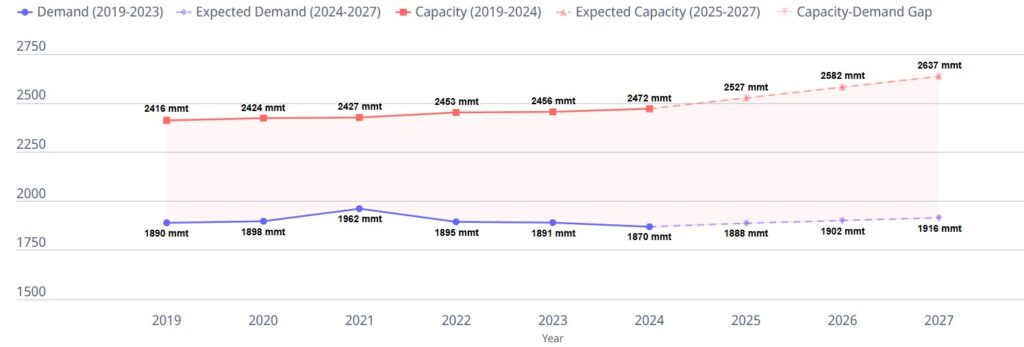
Amid a growing gap between production and demand, the OECD warned in a recent report that global steel overcapacity is set to rise to 721 million tonnes by 2027, driven by distorting subsidies and excessive capacity expansion. This threatens market stability, undermines decarbonization efforts, and squeezes jobs and profitability in OECD economies.
Expansion Outpacing Demand
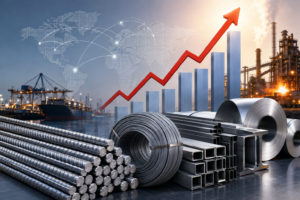
The OECD Steel Outlook 2025 points to an impending structural crisis in the global steel market, with excess capacity expected to rise to 721 million tonnes by 2027, more than double the combined 2024 production of OECD member countries, estimated at 290 million tonnes.
This imbalance is due to continued expansions in production capacity without real demand justification, creating a worrying surplus that is destabilizing the global industrial balance.
Excessive Chinese Support
Uneven government support is one of the main drivers behind this crisis. The report indicated that the level of steel industry support in China is ten times higher as a percentage of revenue than in other OIC countries. This support has contributed to doubling China’s steel exports since 2020, reaching 118 million tonnes in 2024, a record high that has caused widespread disruption in the OIC markets and prompted a fivefold increase in anti-dumping measures since 2023.
Lost Jobs
The unbalanced steel capacity boom is eroding the profitability of companies in OIC countries, which have reached historic lows. An estimated 113,000 jobs are expected to be lost in the steel sector between 2013 and 2021 in the member countries of the World Steel Overcapacity Forum.
The organization emphasizes that a continuation of this trend will lead to wider losses, especially in economies that rely heavily on employment in this vital sector.
A Threat to Decarbonization Efforts
The projected surplus poses a significant challenge to climate agendas, as 40% of the expected capacity additions between 2025 and 2027 will rely on blast furnace (BF/BBOF) technology, a high-carbon emission technology. This threatens investments in low-carbon steel technologies and slows the global green transformation.
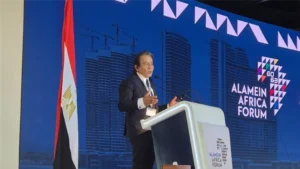
In his remarks, IWTO Secretary-General Matthias Cormann emphasized that addressing these imbalances requires radical reforms, transparent legislation, and enhanced international cooperation to establish fair competition rules.
He emphasized that governments must work to eliminate distorting subsidies, enhance disclosure of government support, and intensify the adoption of clean technology through the exchange of practices and international coordination to ensure a more efficient and sustainable steel industry.