



US President Donald Trump’s unprecedented 104% tariffs on all Chinese imports took effect Wednesday morning (12:00 a.m. Washington time on Tuesday).
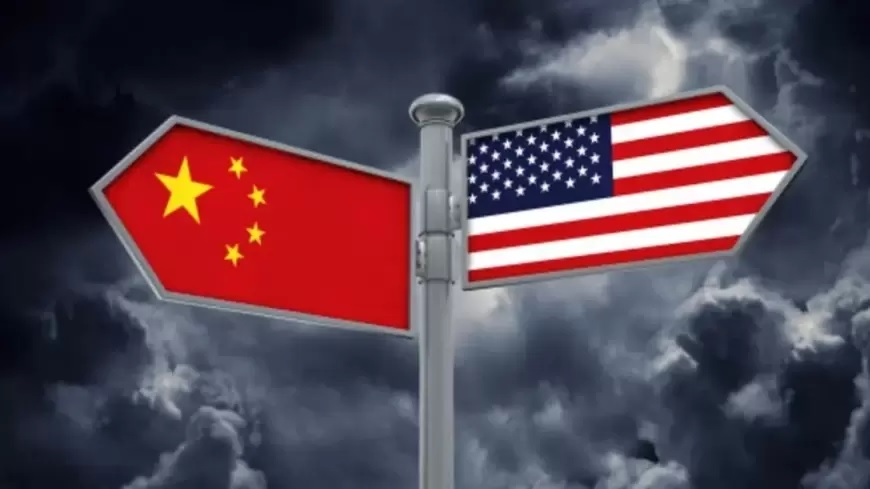
These new tariffs are in addition to the tariffs previously imposed on China before the start of Trump’s second term, deepening the trade dispute between the world’s two largest economies.
Tariffs on Chinese imports were originally scheduled to increase by 34% on Wednesday as part of what Trump calls “reciprocal tariffs.” However, the US president decided to add another 50% after China refused to back down from its promise to impose retaliatory tariffs of 34% on US goods by Tuesday afternoon.
This brings the total increase in tariffs on Chinese imports to 84%, bringing the total tariff rate to 104%.
This move is expected to significantly impact global supply chains and consumer product prices in the US market, and could lead to a further escalation in the ongoing trade war between the two countries.
There has been no official response from the Chinese side at the time of publication, while economic observers are awaiting Beijing’s response to this unprecedented escalation in trade relations between the two countries.
Earlier on Tuesday, the Chinese Ministry of Commerce stated that it “firmly opposes” the additional 50% tariffs on Chinese imports, describing them as “a mistake upon a mistake.” The ministry pledged to escalate its retaliatory response against US exports.
US stock markets, which had been rising Tuesday morning, were affected by Levitt’s remarks, and fell significantly at the end of the day. The Dow Jones Industrial Average fell 320 points, or 0.84%, while the broader S&P 500 index fell 1.57%. The tech-heavy Nasdaq Composite index fell 2.15%.