



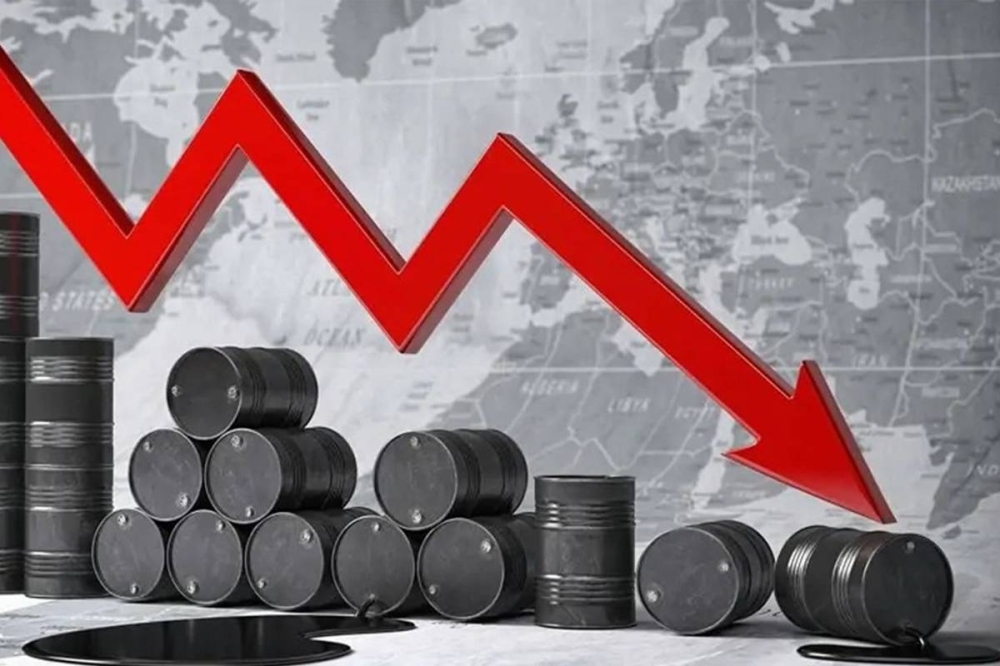
Oil prices fell on the first trading day of 2026 after posting their largest annual loss since 2020 last year, as investors weighed concerns over oversupply and geopolitical risks, including the war in Ukraine and Venezuela’s exports.
Brent crude futures fell 10 cents to settle at $60.75 a barrel, while U.S. West Texas Intermediate crude declined 10 cents to settle at $57.32 a barrel.
Russia and Ukraine exchanged accusations of launching attacks on civilians on the first day of the new year, despite intensive talks led by U.S. President Donald Trump aimed at ending the war that has dragged on for nearly four years.
Kyiv has intensified strikes on Russia’s energy infrastructure in recent months in a bid to cut off funding sources for Moscow’s military campaign in Ukraine.
In the latest U.S. move to increase pressure on Venezuelan President Nicolas Maduro, Washington on Wednesday imposed sanctions on four companies and related oil tankers it said operate in Venezuela’s oil sector.
Maduro said in a New Year interview that Venezuela is ready to welcome U.S. investments in the oil sector, coordinate efforts to combat drug trafficking, and hold serious talks with the United States.
Trump also threatened to support protesters in Iran if security forces opened fire on them, following days of unrest that killed several people and marked the biggest internal challenge to Iranian authorities in years.
Phil Flynn, senior analyst at Price Futures Group, said: “The oil market does not appear to have been affected despite all these geopolitical concerns. Oil prices are trapped in a long-term trading range, and there is a sense that the market will have sufficient supplies no matter what happens.”
In the Middle East, the crisis related to Yemen escalated between Saudi Arabia and the United Arab Emirates after flights were suspended at Aden airport on Thursday. This came ahead of an online meeting of the OPEC+ alliance—comprising the Organization of the Petroleum Exporting Countries (OPEC) and its allies—scheduled for January 4.
Jun Goh, senior analyst at Sparta Commodities, said traders widely expect OPEC+ to continue temporarily suspending production increases in the first quarter.
She added, “2026 will be an important year in assessing OPEC+ decisions to balance supply,” noting that China will continue to build crude inventories in the first half of the year, which will provide support to oil prices.
Benchmark Brent and WTI crude recorded annual losses of around 20% in 2025—the largest since 2020—as concerns about rising supply and tariffs outweighed the impact of geopolitical risks. This marked the third consecutive year of losses for Brent, the longest such streak.
Reuters