The iron and steel industry... a cornerstone of development and modern industry
The iron and steel industry is a strategic industry upon which the industrial and economic development of various countries around the world is based. It provides the essential material for infrastructure projects, construction, engineering industries, the automotive industry, shipbuilding, railways, energy, defense industries, and other vital sectors..
This industry is characterized by its close connection to industrial value chains, as it contributes to stimulating dozens of feeder and complementary industries. It is also an important indicator of the level of industrial development of countries, since the growth in steel production and consumption is usually linked to rates of economic growth and investment..
The importance of the iron and steel industry in economic development
The iron and steel industry plays a pivotal role in achieving sustainable economic development through:
- Supporting infrastructure and urban development projects.
- Providing basic materials for manufacturing and engineering industries.
- Enhancing the competitiveness of the industrial sector.
- Providing direct and indirect job opportunities in various disciplines.
- Increasing the added value of natural resources and local raw materials.
- Supporting industrial exports and improving the trade balance.
- Attracting local and foreign investments.
- Contributing to technology transfer and developing technical skills.
- Supporting the transition towards a knowledge-based and innovation-driven industrial economy.
The iron and steel industry is a leading industry that directly impacts the performance of sectors such as construction, energy, transportation, and mechanical industries, making it a key element in national economic development plans..
The development of the iron and steel industry globally and in the Arab world
The iron and steel industry has witnessed significant development since the beginnings of the Industrial Revolution, moving from reliance on traditional furnaces to modern technologies such as blast furnaces, direct reduction, electric arc furnaces, and continuous casting systems, in addition to automation, artificial intelligence, and digital transformation applications..
In recent years, the global industry has moved towards adopting sustainability and decarbonization concepts, with increased use of scrap, improved energy efficiency, and the development of low-emission steel production technologies, including the use of green hydrogen and carbon capture technologies..
At the Arab level, the iron and steel industry has witnessed remarkable expansion over the past decades, through the establishment of integrated plants and plants relying on direct reduction and electric arc furnaces, benefiting from the availability of energy sources, raw materials, and regional markets. Many Arab companies have also achieved advanced levels in quality and production, while continuing to invest in modernizing technologies and improving operational efficiency..
Key sectors of the iron and steel industry
The industry is divided into a number of key interconnected sectors, including:
First: Raw Materials Sector
It includes iron ore, iron scrap, coke, limestone, dolomite, alloying materials and refractory materials.
Second: The iron production sector
This includes raw material preparation, sintering, pelletizing, blast furnaces, and direct reduction units for the production of pig iron and reduced iron..
Third: The steel industry sector
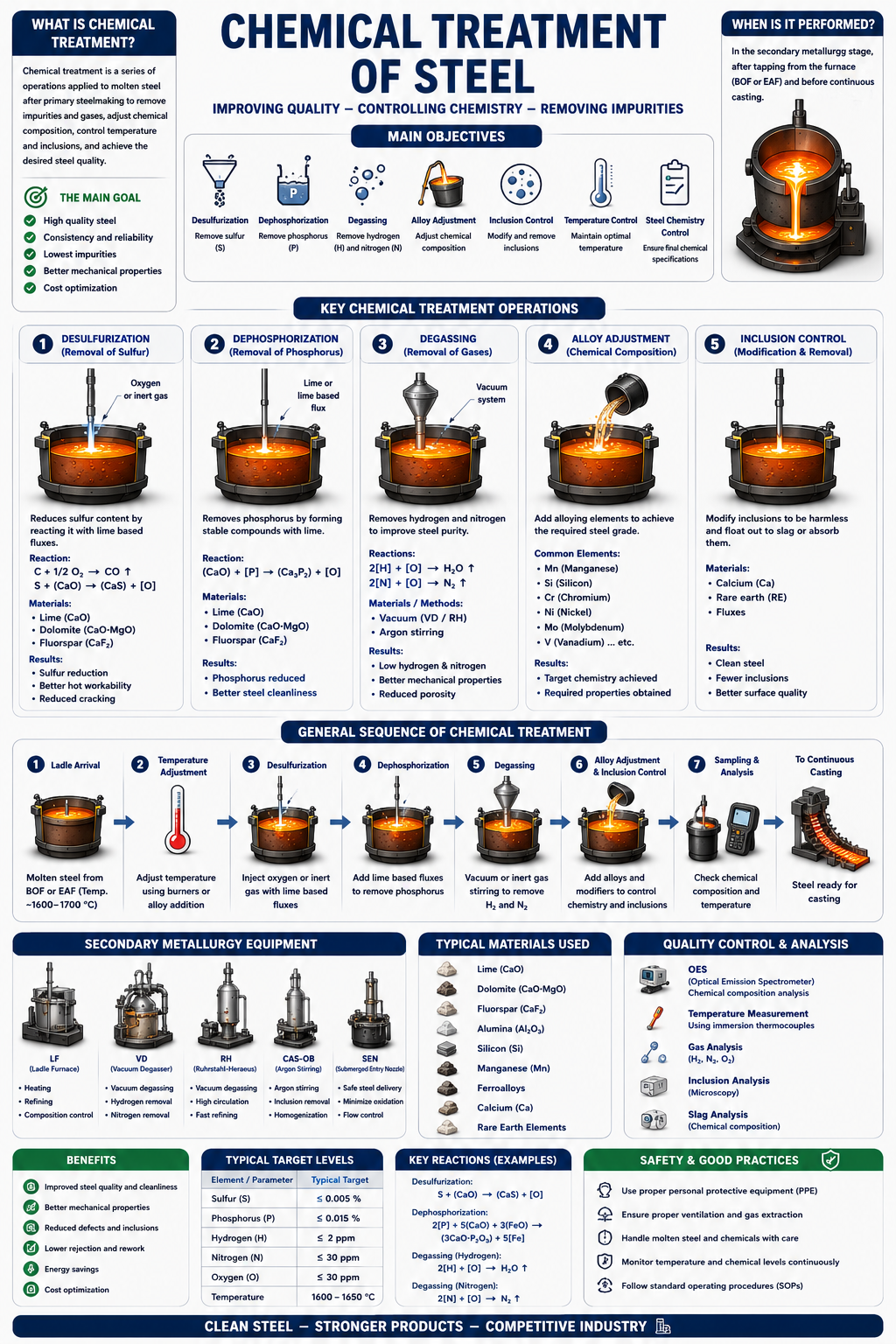
This includes electric arc furnaces, oxygen converters, secondary processing operations, and adjusting the chemical composition of steel..
Fourth: Continuous Casting Sector
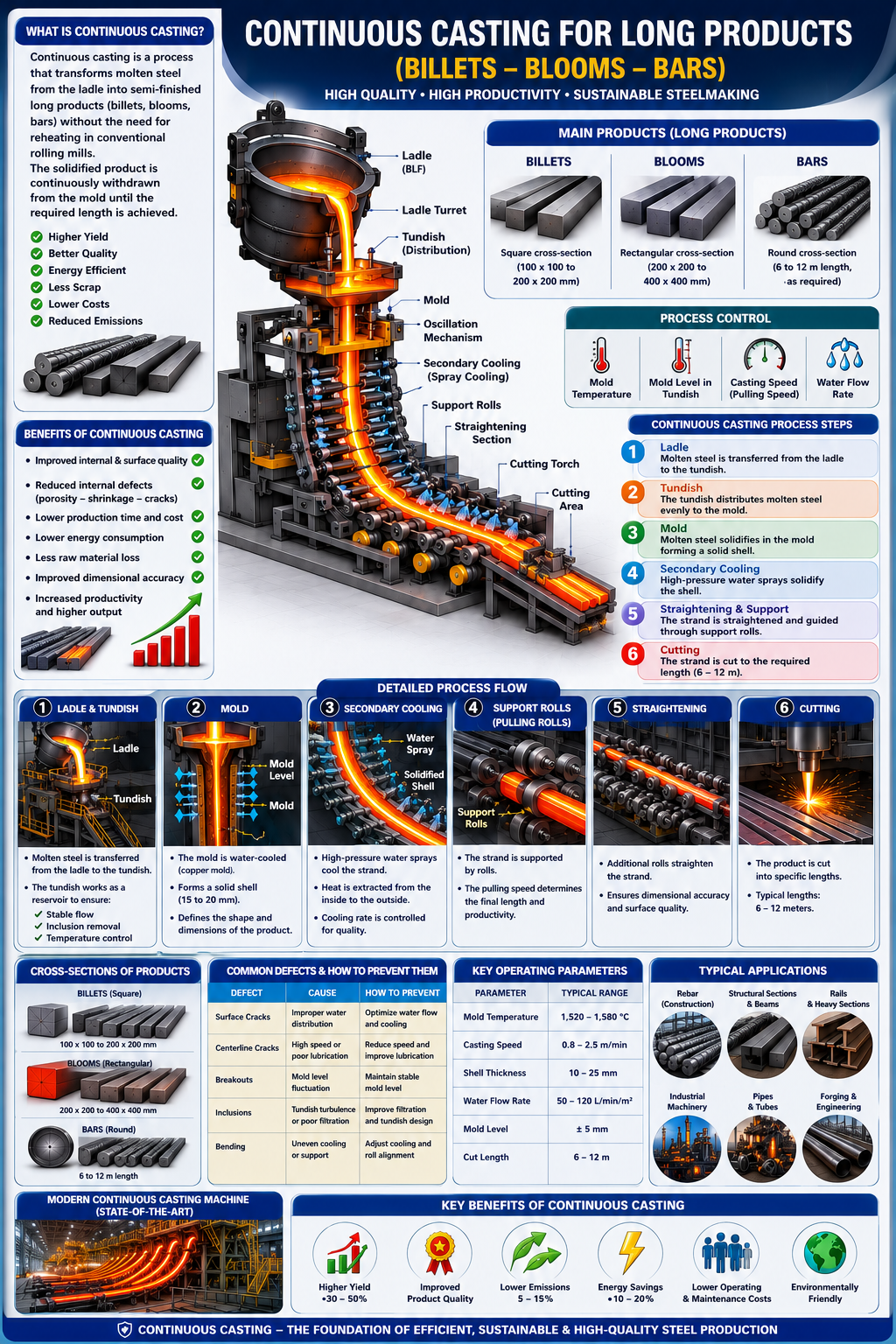
It specializes in producing semi-finished products such as billets, billets, and slabs, which represent the raw material for rolling operations..
Fifth: Rolling and Finishing Sector
This includes the production of reinforcing steel, sections, wires, sheets, coils, and pipes, in addition to galvanizing, coating, and heat treatment processes..
Sixth: Quality and Technical Services Sector
It includes laboratories, quality control, mechanical and chemical testing, maintenance systems, automation, industrial safety, and environmental sustainability..
The role of the Arab Iron and Steel Union in supporting the sector
The Arab Iron and Steel Union plays a pivotal role in supporting and developing the iron and steel industry in Arab countries by promoting cooperation among member companies, encouraging the exchange of expertise and knowledge, and keeping abreast of global technological and economic developments..
The Union works to organize conferences, seminars, and specialized training programs, prepare technical and economic studies and reports, publish information and statistics, and support human capacity building, all of which contribute to raising the efficiency of Arab industry and enhancing its competitiveness..
The Union also pays special attention to the topics of digital transformation, sustainability, decarbonization, innovation, and human resource development, in line with global trends and to enhance the position of the Arab iron and steel industry in regional and international markets..
Iron and steel product classification

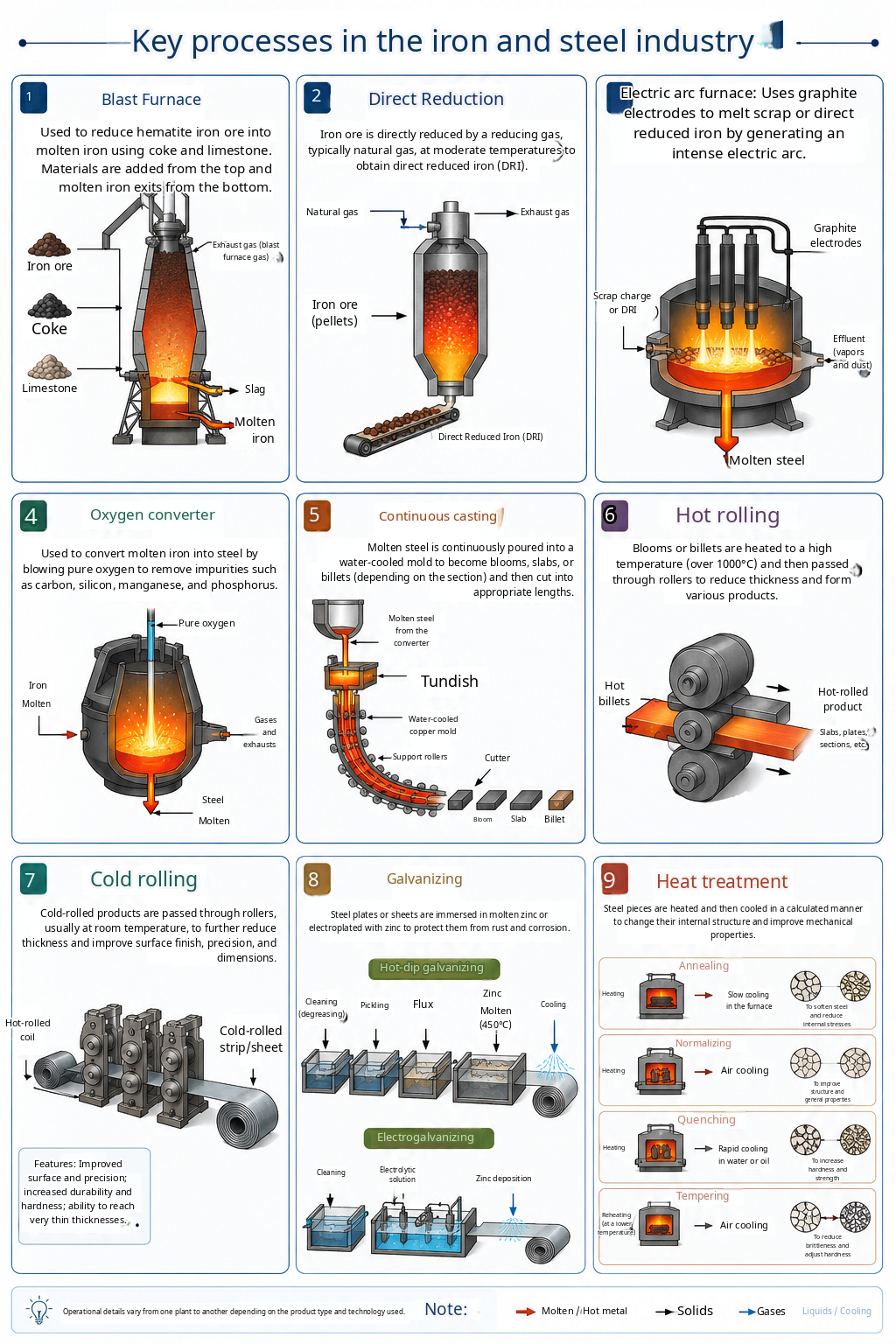
Key processes in the iron and steel industry
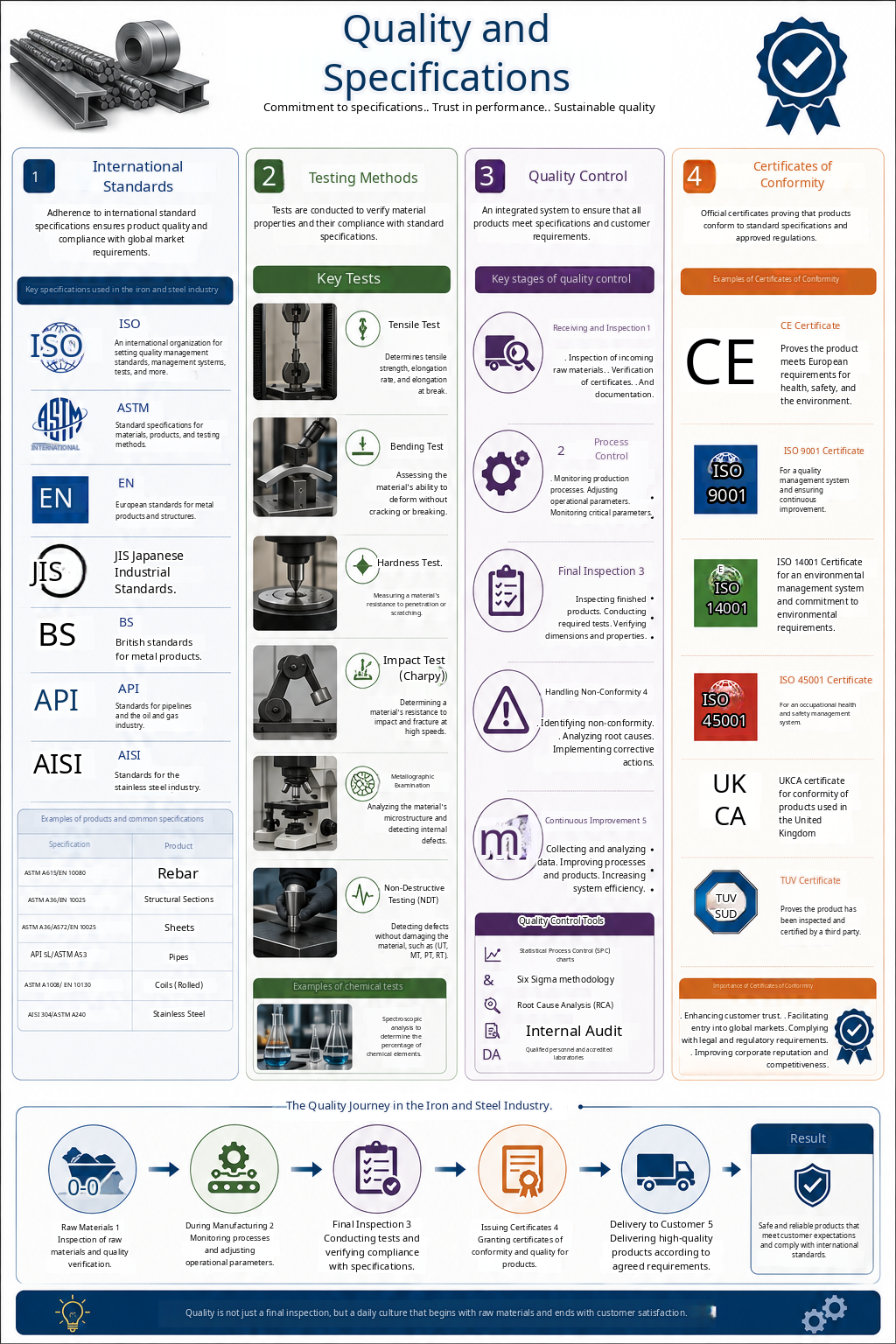
Quality and Specification
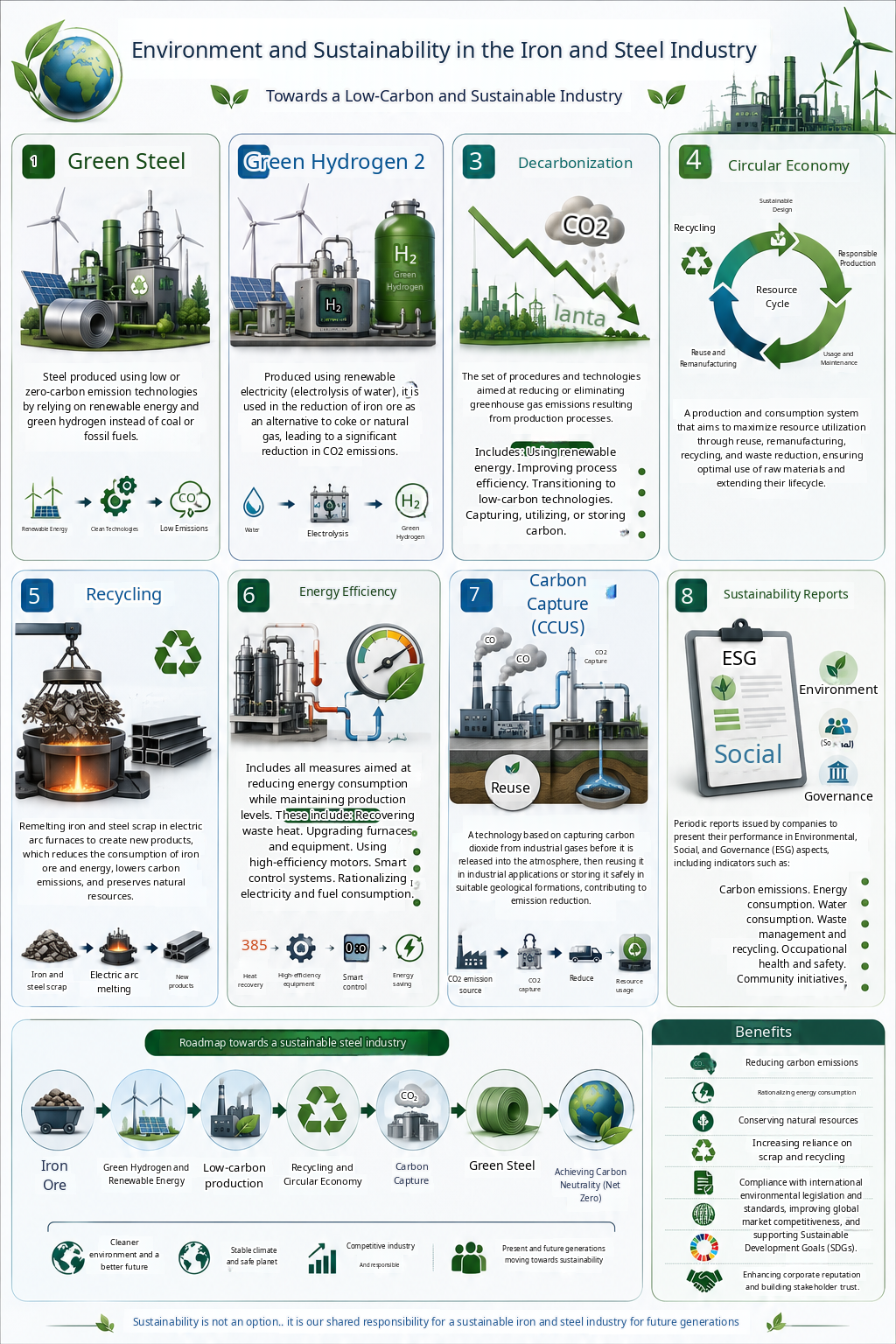
Environment and sustainability in the iron and steel industry
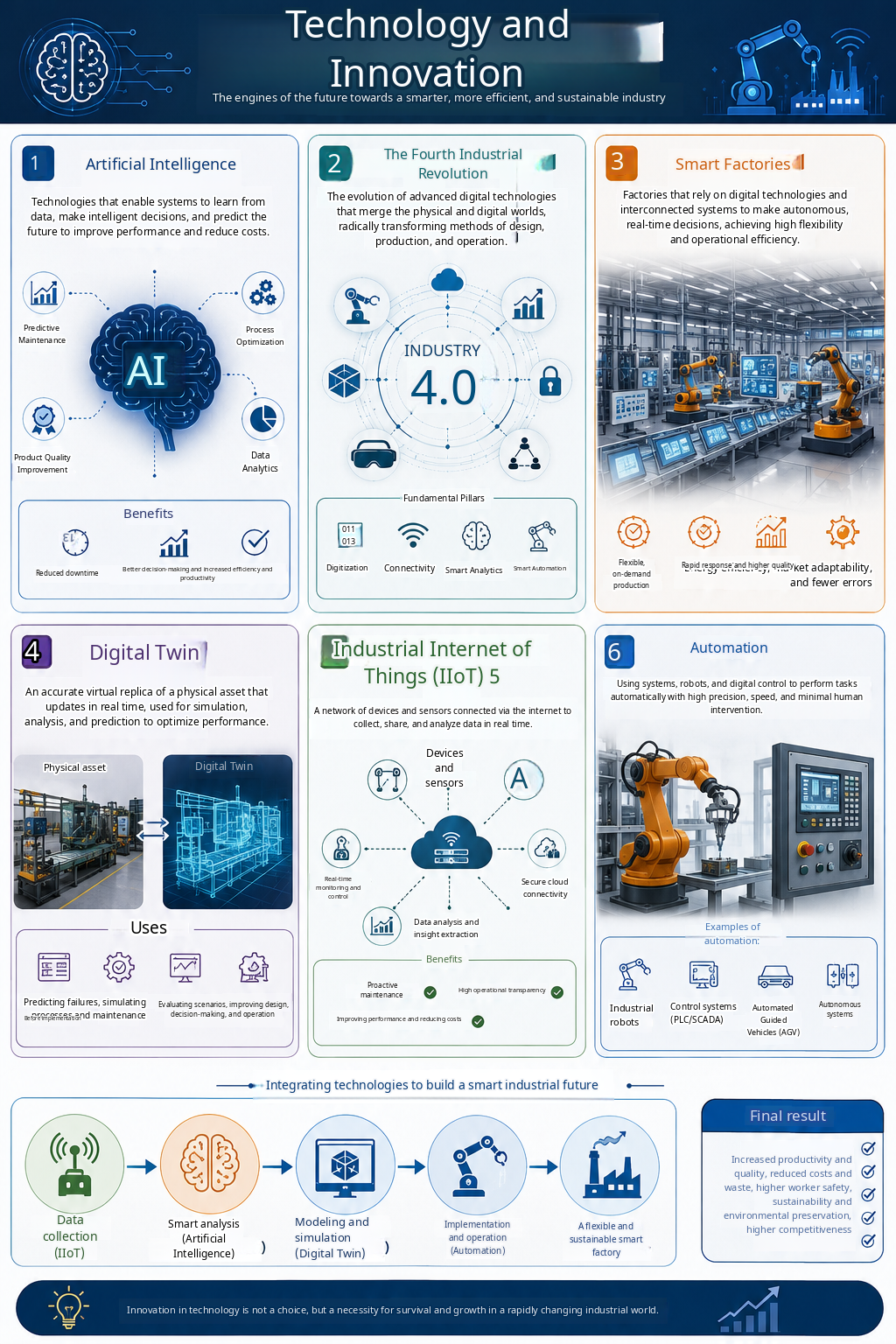
Technology and Inovaation
The industry is divided into a number of key interconnected sectors, including:
First: Raw Materials Sector
It includes iron ore, iron scrap, coke, limestone, dolomite, alloying materials and refractory materials.
Second: The iron production sector
This includes raw material preparation, sintering, pelletizing, blast furnaces, and direct reduction units for the production of pig iron and reduced iron..
Third: The steel industry sector
This includes electric arc furnaces, oxygen converters, secondary processing operations, and adjusting the chemical composition of steel..
Fourth: Continuous Casting Sector
It specializes in producing semi-finished products such as billets, billets, and slabs, which represent the raw material for rolling operations..
Fifth: Rolling and Finishing Sector
This includes the production of reinforcing steel, sections, wires, sheets, coils, and pipes, in addition to galvanizing, coating, and heat treatment processes..
Sixth: Quality and Technical Services Sector
It includes laboratories, quality control, mechanical and chemical testing, maintenance systems, automation, industrial safety, and environmental sustainability..
The role of the Arab Iron and Steel Union in supporting the sector
The Arab Iron and Steel Union plays a pivotal role in supporting and developing the iron and steel industry in Arab countries by promoting cooperation among member companies, encouraging the exchange of expertise and knowledge, and keeping abreast of global technological and economic developments..
The Union works to organize conferences, seminars, and specialized training programs, prepare technical and economic studies and reports, publish information and statistics, and support human capacity building, all of which contribute to raising the efficiency of Arab industry and enhancing its competitiveness..
The Union also pays special attention to the topics of digital transformation, sustainability, decarbonization, innovation, and human resource development, in line with global trends and to enhance the position of the Arab iron and steel industry in regional and international markets..
Iron and steel product classification
Key processes in the iron and steel industry
Quality and Specification
Environment and sustainability in the iron and steel industry
Technology and Inovaation
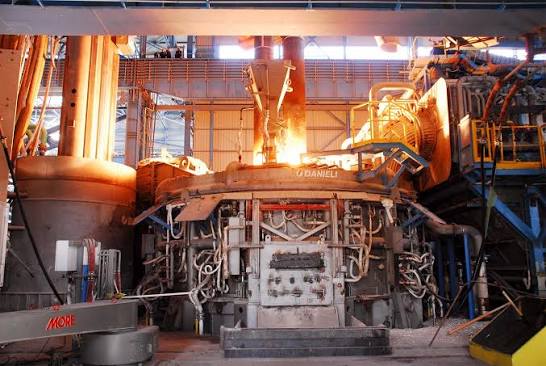
EAF
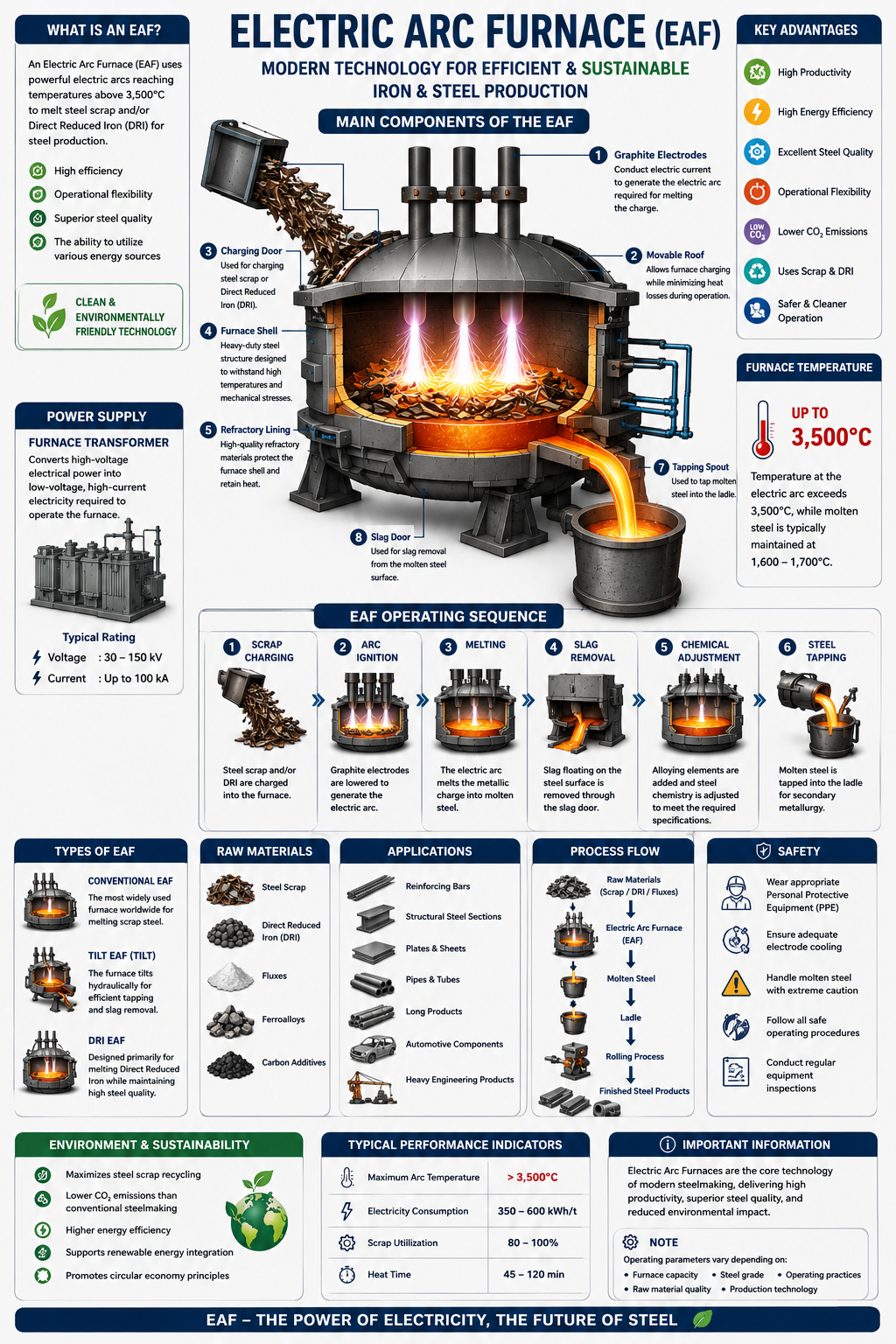
Chemical treatment of steel
Continuous Casting for Flat
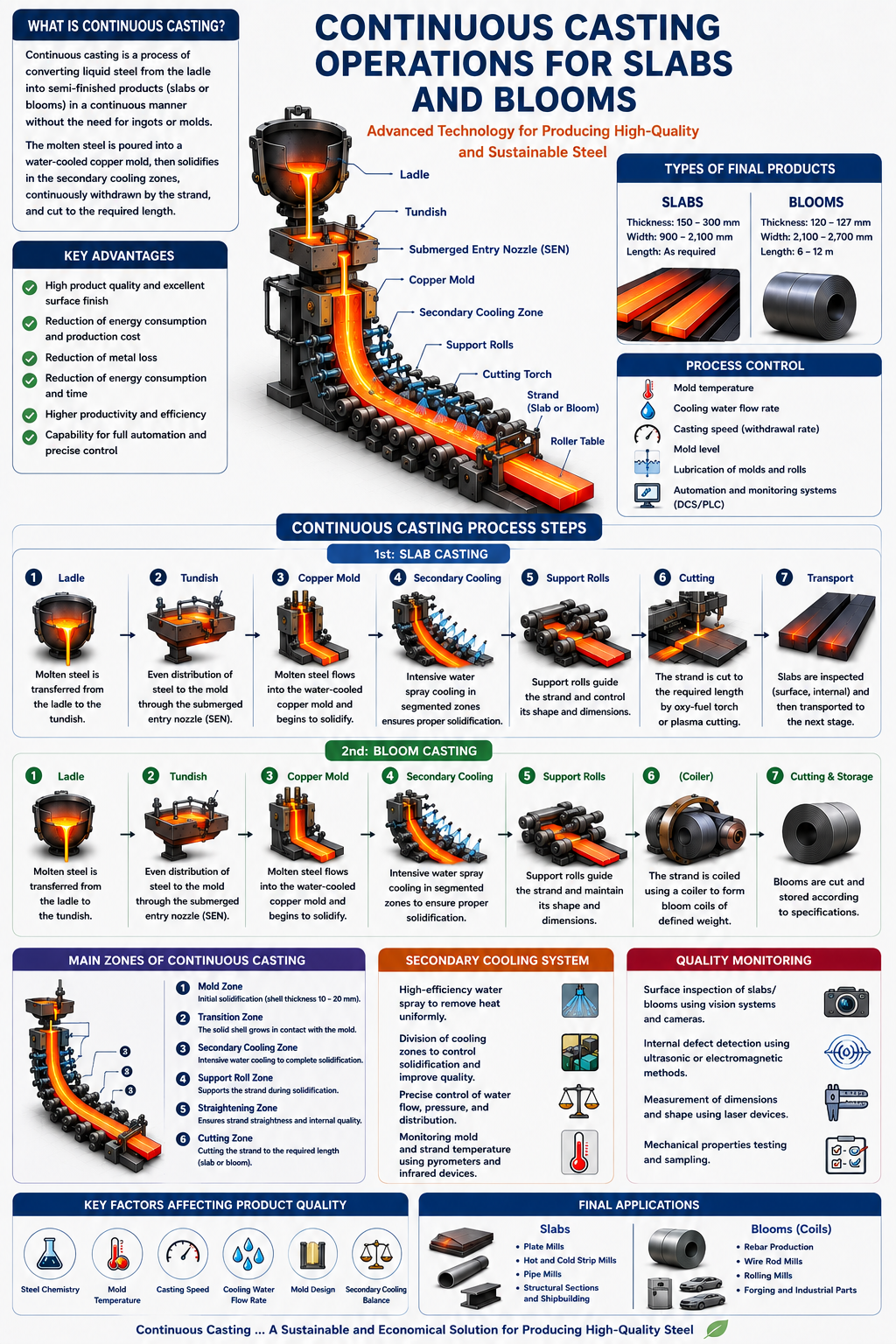
Continuous Casting for Long products