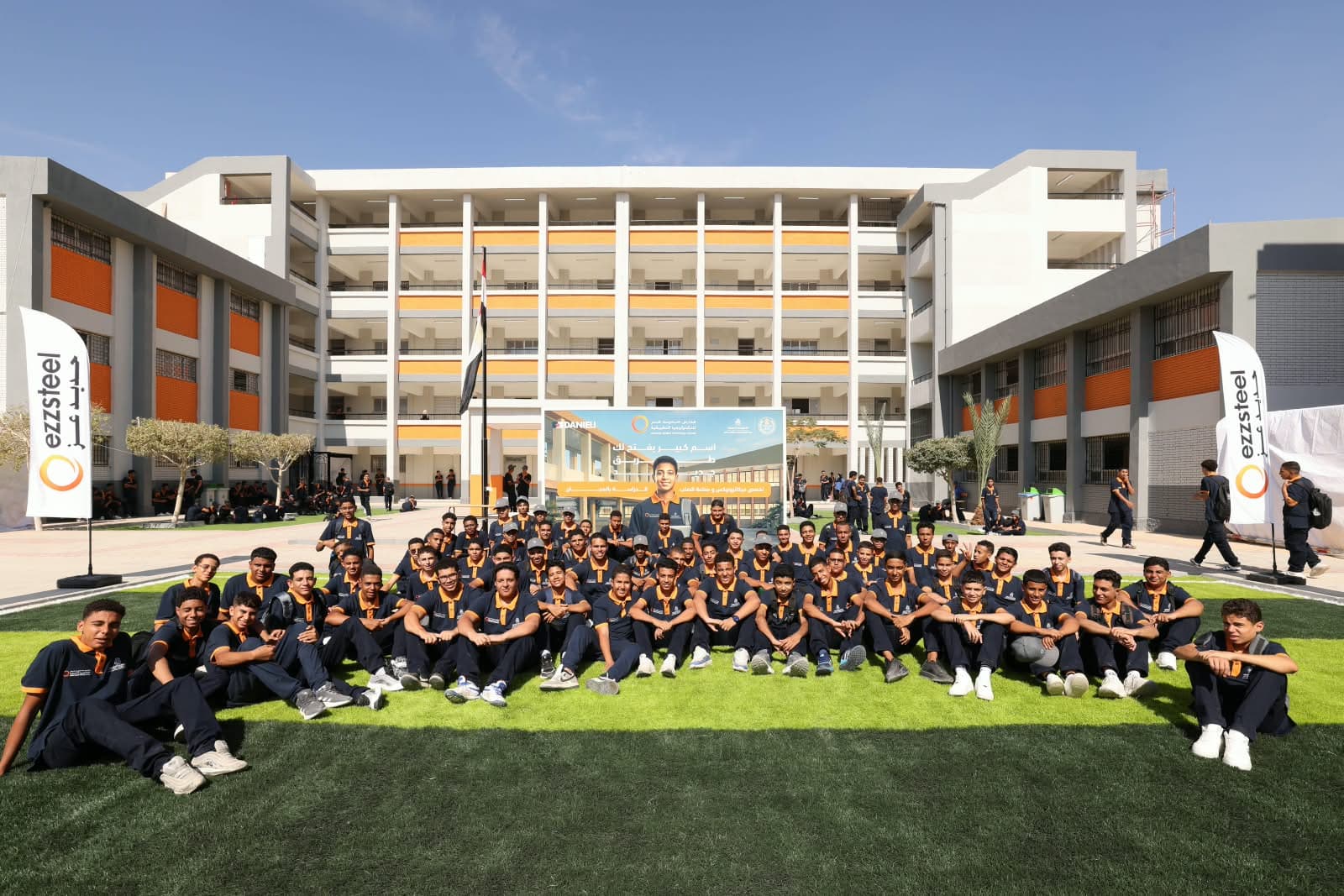
A New Generation in the Language of Technology... El-Ezz Steel Technology Schools for Applied Technology
From the heart of Egypt's industrial fortresses, "El-Ezz Steel" Group is launching a new phase in its development journey; a strategic investment that does not stop at the boundaries of technology and its enormous production capacities, but extends directly to building human capital, the actual driver that gives machines their value, grants technology its ability to achieve, and ensures the sustainability and development of industry. Whoever holds the reins of field vision knows full well that cultivating competencies does not begin at the factory gates, but its initial core is formed in the classroom, where skills are shaped, experiences are honed, and the features of a new technical generation are defined.

From this perspective, El-Ezz Steel Technology Schools for Applied Technology embody an exceptional model that links the weight of industrial experience with educational development. It is a pioneering experience that integrates the national vision of the Ministry of Education and Technical Education with the industrial leadership of El-Ezz Steel Group, coupled with specialized Italian academic and technological expertise. It is a formula that moves the relationship between the education system and the manufacturing sector from a mere passing encounter based on labor market needs to a deep strategic partnership in preparing and qualifying students through an advanced educational path that combines precise theoretical knowledge, intensive practical training, and disciplined professional conduct.
With huge investments exceeding 750 million pounds allocated by the group for the complete rehabilitation and equipping of the schools, the experiment is launched in the field across seven schools distributed across three main governorates, opening promising horizons for students linked to real production environments.
In this digital and applied model, the dividing line between classrooms and production lines disappears; skills are studied at the heart of industry, providing students with a solid technical and professional foundation that qualifies them for field professionalism and academic excellence.
This is a story told from the inside; from the corridors of classrooms and the corners of workshops, and from the details of the school day, through the eyes of students embarking on their first foundational year, teachers entrusted with their preparation, and leaders striving to transform strategic vision into tangible reality.
Here, the bet is not just on graduating technicians, but it extends to building a solid base of national competencies that transcend borders, and consolidating a deep philosophy that investing in human capital is the natural and eternal extension of industrial leadership.
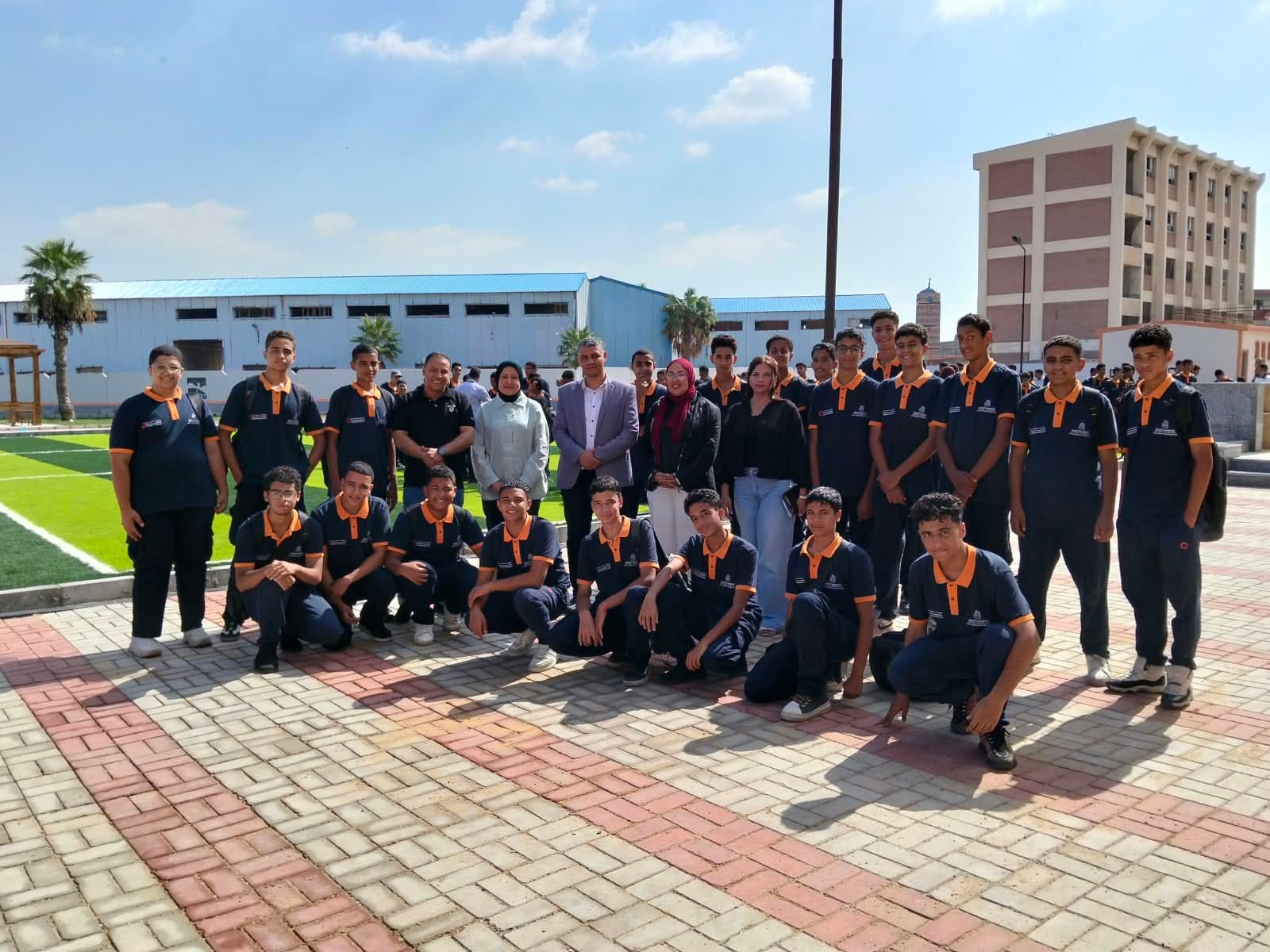
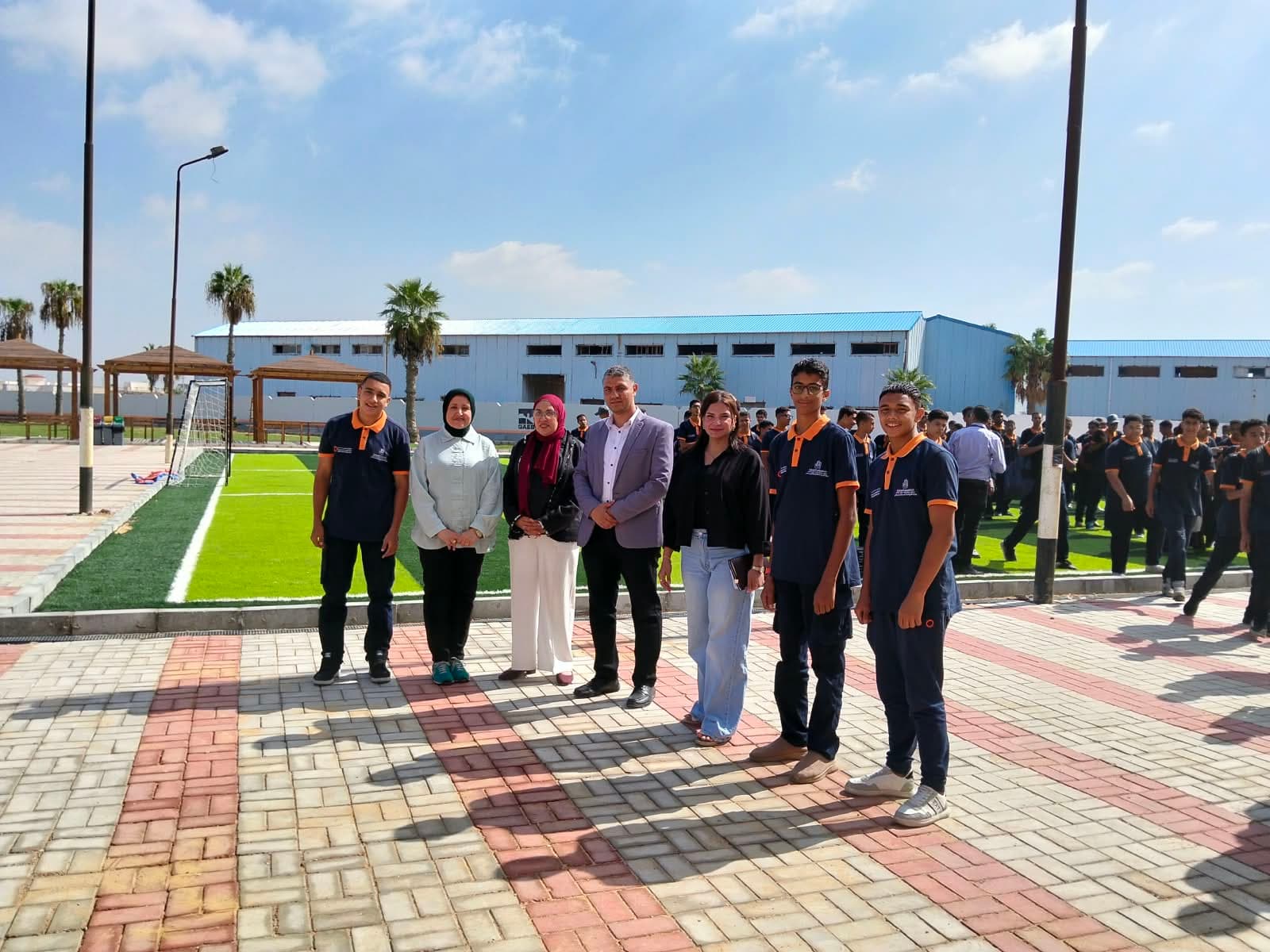
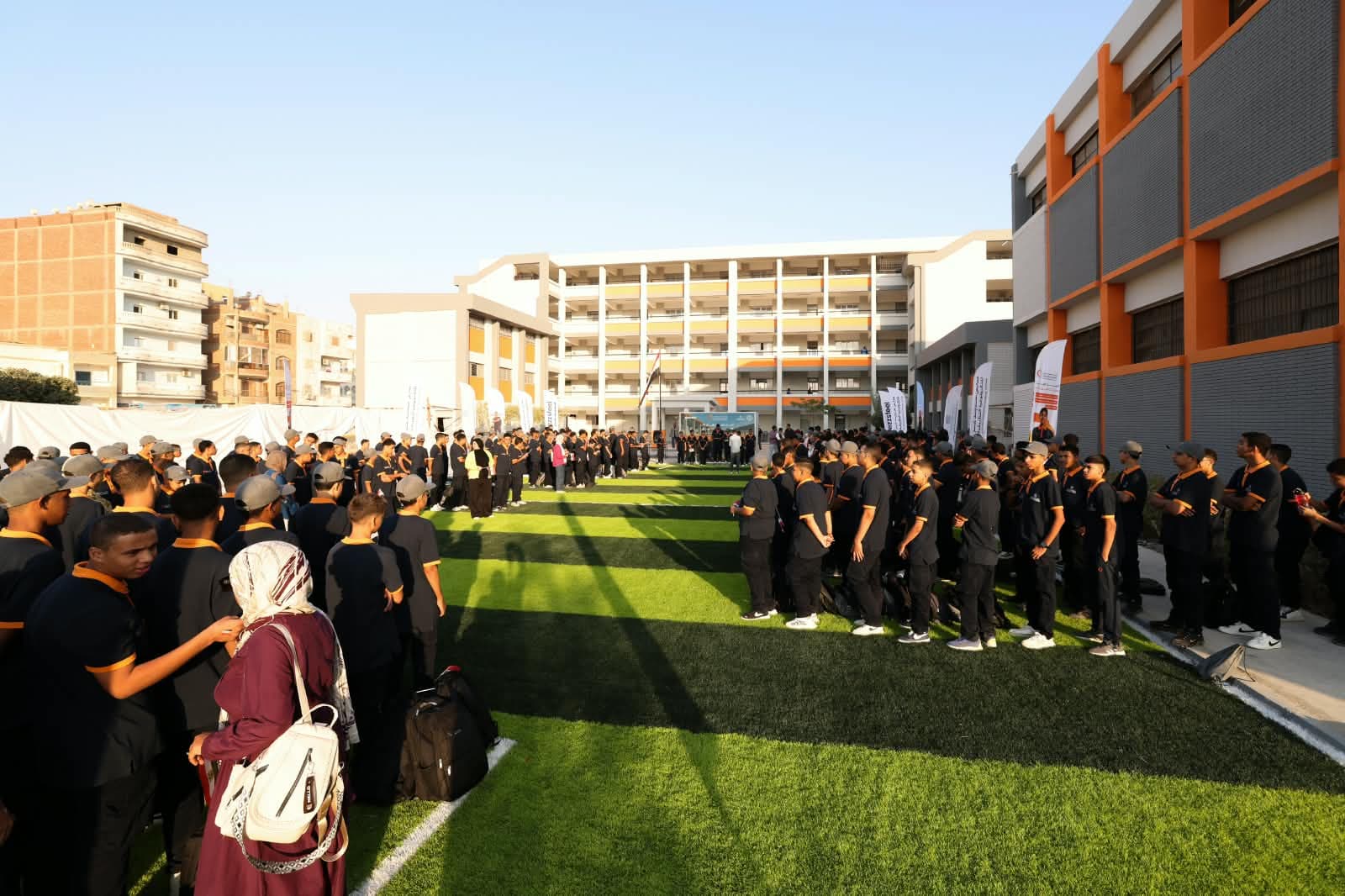
And from the Muharram Bey School in Alexandria—one of the seven pillars launching the system—our field tour began to monitor the executive reality of this experiment in its first foundational year, which commenced at the start of the academic year 2026/2027.
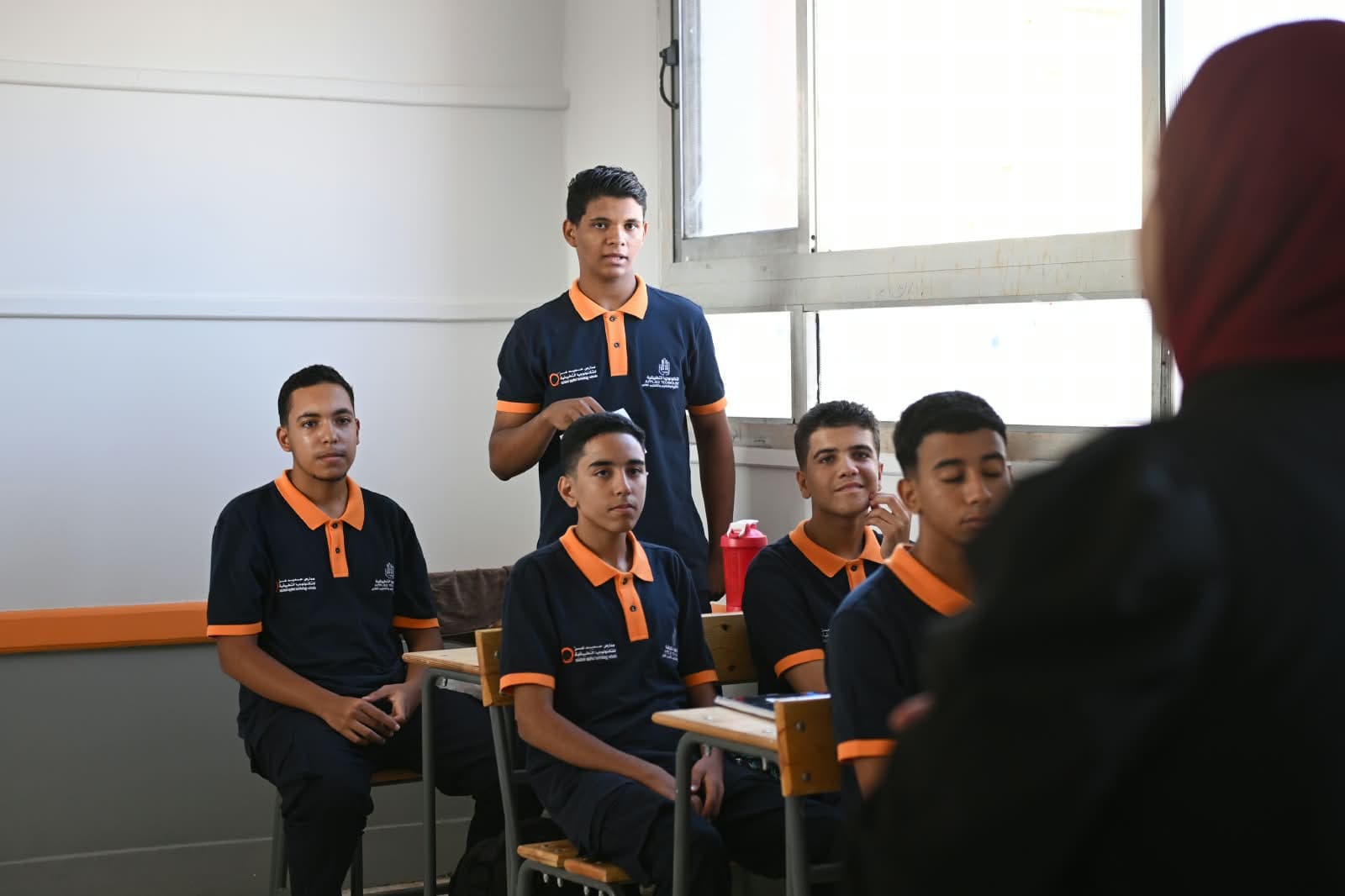
Here, the educational process in classrooms does not revolve around recall or theoretical instruction, but is based on competency-based learning; where students directly translate engineering and mathematical concepts into precise practical performance within specialized workshops and laboratories, subject to continuous measurement and evaluative observation.
This field coverage gains its importance from monitoring the initial foundational moments of a cohort embarking on a new technical path; which necessitates evaluating the system not only based on the scale of infrastructure and announced curricula, but by tracking the actual practical skills acquired by students, and monitoring the development of their professional and disciplinary behavior day by day.
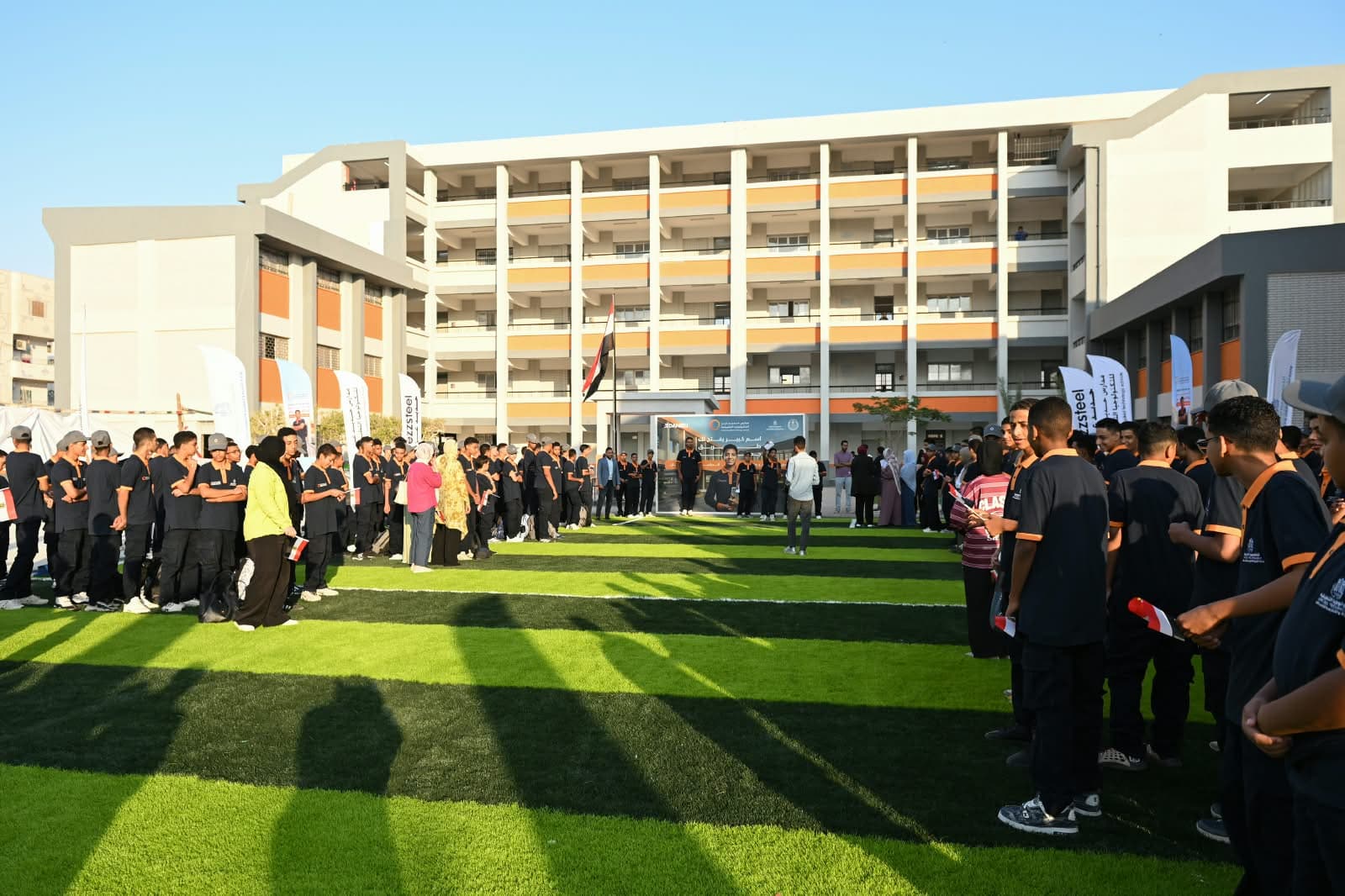
From Industry Needs to the Classroom Seat
The establishment of Applied Technology Schools came within a developmental context aimed at reshaping the relationship between the outputs of technical education and the actual requirements of the labor market; a relationship that is becoming increasingly urgent with the tremendous technological acceleration, the complexity of production lines, and the rising standards of operation and maintenance. Modern industrial institutions no longer need a traditional technician who receives routine orders, but rather seek a technical mindset capable of understanding the operational logic of the machine in all its complexities, reading technical catalogs and engineering drawings, accurately troubleshooting faults, and professionally handling measurement and control tools according to strict standard specifications.
The applications requiring these integrated skills in the contemporary work environment are numerous; starting from automated production lines and heavy forming equipment, through power transmission systems, pumps, and electric motors, to advanced sensors, digital control software, and industrial robots. These are systems where mechanical, electrical, electronic, and software components are intertwined simultaneously, so that one element cannot be separated from another during operation or maintenance.
In this regard, Dr. Shaimaa Gamal, Educational Advisor for El-Ezz Steel Technology Schools for Applied Technology, explains that the project was fundamentally launched from a precise field observation of a wide gap between the skills offered by traditional technical education and the needs of modern factories.
She emphasizes that the schools do not aim to meet the needs of El-Ezz Steel Group alone, but rather to prepare a generation of flexible technical cadres capable of competing efficiently in various industrial sectors, both within and outside Egypt, according to labor market demands and international employment conditions.
Hossam Ammar, Director of El-Ezz Steel Technology School for Applied Technology in Muharram Bey, explains the operational philosophy of the system; pointing out that the educational process transcends traditional theoretical frameworks to adopt a "competency-based education system," which integrates three main pillars to build the mindset of a professional technician:
• Scientific Knowledge: Acquired through direct theoretical instruction in classrooms.
• Practical Skills: Honed in the field within workshops and laboratories equipped with the latest modern technologies, in addition to direct field training at the production sites of El-Ezz Steel Group.
• Professional Conduct and Personal Abilities: This is the axis concerned with empowering students with problem-solving skills, time management, teamwork, executive planning, and their ability to present their skills and technical qualifications with confidence and competence.
Regarding the foundational academic year (2026/2027), Engineer Hossam Ammar explains that the "Muharram Bey" school is receiving 118 students in its first year, distributed across 6 classrooms. These students were carefully selected through a multi-stage evaluation system; starting with tests from the Ministry of Education and Technical Education, followed by specialized assessments by El-Ezz Steel Schools, and concluding with personal interviews for students and their parents, to ensure that applicants meet the conditions of professional readiness and technical passion.
This system is managed under the umbrella of a strategic partnership that brings together the Ministry of Education, El-Ezz Steel Group, and the international academic partner represented by the Higher Institute for Technology in Italy (ITS) and Danieli Company.
This system aims to prepare cadres capable of competing in local and international markets, while providing academic pathways for advanced study in Italy.
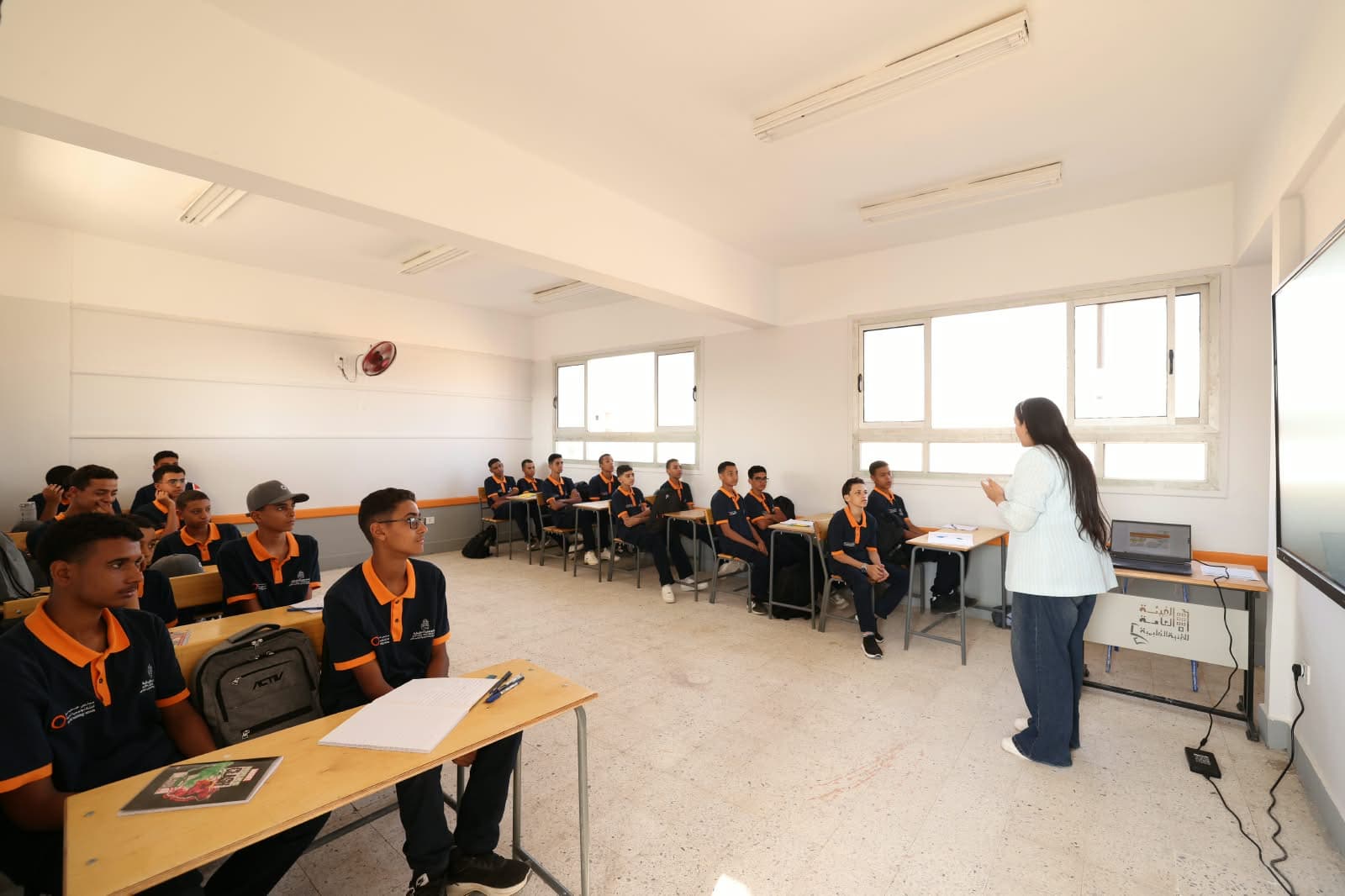
The workshop is subject to an intensive schedule extending over 8 daily sessions with two breaks. It is supervised by an integrated educational and administrative team, including teachers for cultural subjects and mechanical and electrical specializations, in addition to teaching staff for modern subjects such as digital transformation, artificial intelligence, career guidance, and entrepreneurship.
A partnership uniting education, industry, and technological expertise
The project is based on a tripartite cooperation protocol between the Ministry of Education and Technical Education in Egypt, El-Ezz Dekheila Steel (EDSCO), and the Italian company Danieli. It was signed in November 2025. The partnership roles are distributed among the Egyptian educational framework, industrial expertise, and technical contribution in curriculum development and training.
The Ministry is responsible for the educational framework and curriculum accreditation according to the Egyptian system. El-Ezz Dekheila Steel provides its industrial expertise and contributes to providing the training environment, equipment, and specialized cadres. Danieli, a company operating in the field of steel industry technology and equipment, participates in transferring technical and technological expertise related to the specialization. The schools also collaborate with the Higher Technical Institute in Udine, Italy (ITS) in developing the technical curriculum, while the Italian Cultural Institute in Cairo cooperates in teaching the Italian language.
The presence of a company specializing in steel industry technology within the partnership does not mean that the program is limited to this sector. The industrial expertise provided by the partner contributes to developing technical education and training in mechatronics skills, which are used in various industries.
Fully free European education.. strategic expansion in 3 main governorates
El-Ezz Dekheila Steel Technology Schools represent a distinguished model of sustainable social investment, offering fully free international technical education and training without any tuition fees. This aims to provide opportunities for promising talents and alleviate the burden on Egyptian families, with the group undertaking massive investments in infrastructure and equipment exceeding EGP 750 million.
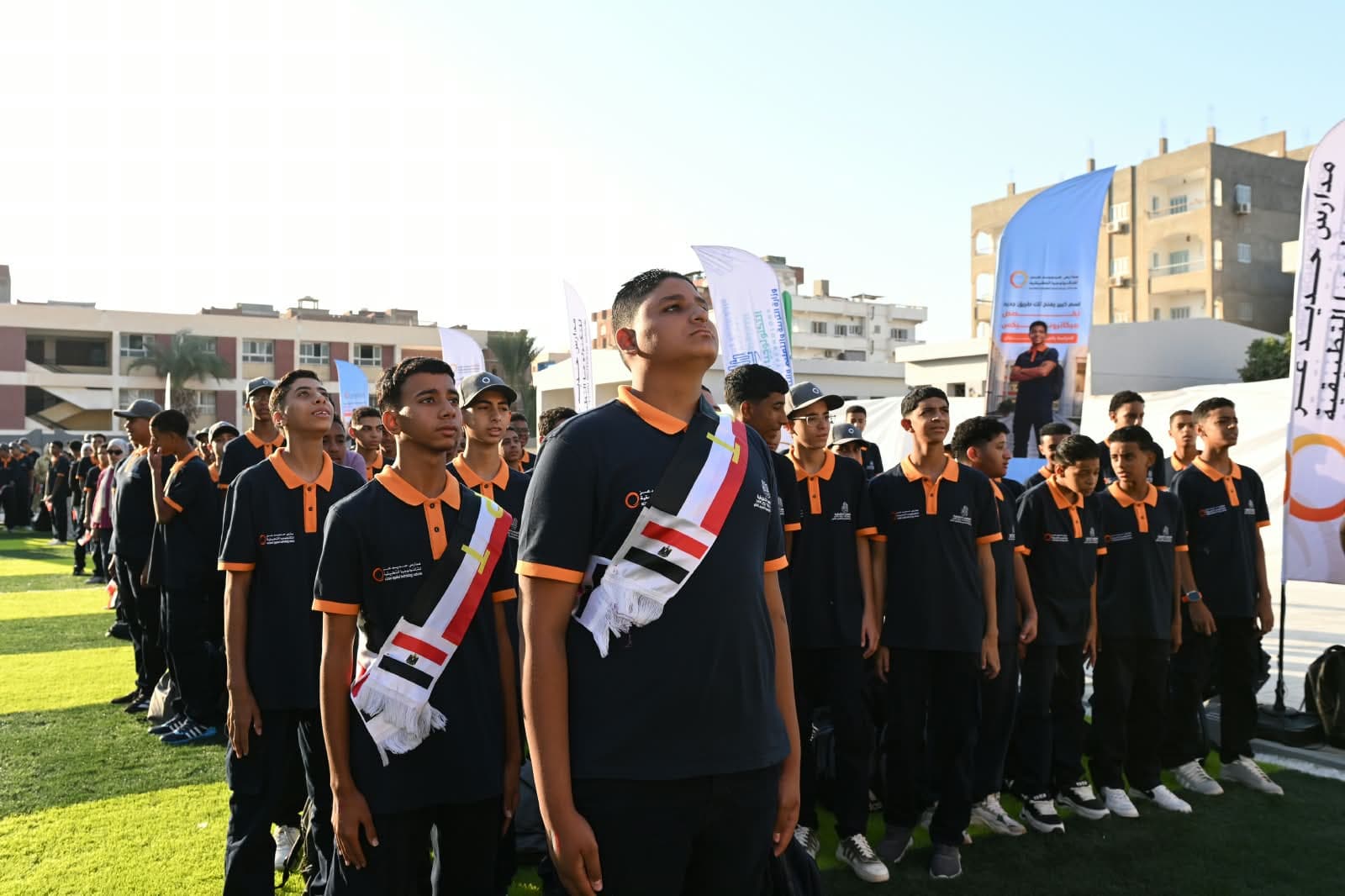
Geographical expansion and field scope
The El-Ezz Dekheila Steel Technology Schools project extends to three governorates that include the group's main industrial clusters: Alexandria, Suez, and Monufia, within the framework of the joint cooperation protocol between the Ministry of Education and Technical Education, El-Ezz Dekheila Steel, and the Italian partner.
This geographical distribution aims to link technical education with the needs of industry in the areas surrounding the schools. The Alexandria schools serve the industrial zone in Dakhila and its adjacent areas, the Suez schools serve the industrial complex in Suez and its surrounding areas, while the Monufia schools serve the Sadat factories and industrial clusters in the governorate.
Studies began on October 4, 2026, through seven schools offering the mechatronics specialization, which combines mechanics, electricity, electronics, and automated control systems.
Classes and students are distributed among the governorates according to each school's capacity. The Alexandria schools include 13 classes with a total of approximately 250 students, while the Monufia schools include 19 classes with a total of 457 students, and the Suez schools include 14 classes. The total number of students in the seven schools is 907.
This distribution aims to supply all surrounding industrial facilities and companies in these three governorates with qualified technical cadres according to the highest European standards (EQF Level 4), ensuring the graduation of 1,500 students annually as productive forces that directly contribute to driving the national economy and enhancing the efficiency of local production.
Competency-based education.. How is what a student learns measured?
The program relies on the 'standardized competency-based education system.' This model does not merely measure the knowledge a student memorizes but focuses on a comprehensive tripartite assessment that includes: theoretical knowledge, practical skills, and professional behavior.
Eng. Hossam Ammar, director of the Moharram Bey school in Alexandria, explains that the system links academic achievement within classrooms with practical training in workshops and factories, integrating work environment behaviors such as discipline, time management, task planning, and problem-solving. Accordingly, theoretical explanation is not sufficient to master a skill; practical application and full adherence to occupational safety and health procedures are required.
Dr. Shaimaa Gamal, educational consultant for the schools, indicates that the system employs various assessment tools, including theoretical and practical exams, as well as field observation cards through which the teacher monitors the precise execution steps to verify the accuracy of performance and equipment. The schools also provide individual improvement plans to address learning differences and assist students facing learning difficulties, ensuring everyone reaches the required mastery levels according to the highest standards.
Eng. Hossam Ammar, Director of El-Ezz Dekheila Steel Applied Technology School in Moharram Bey, Alexandria
Competency-based education combines knowledge, skills, and professional behavior to prepare students for the job market.
We met with Eng. Hossam Ammar, Director of El-Ezz Dekheila Steel Applied Technology School in Moharram Bey, to understand the mechanisms of applying the competency-based education system, the nature of study and training, the admission system, and the role of the partnership between the Ministry of Education and Technical Education, El-Ezz Dekheila Steel, and its academic partners in preparing students for job market requirements. The meeting also covered the nature of the mechatronics specialization, the study subjects, and the skills the school aims to develop in students.
Competency-based education.. three pillars for student preparation
Eng. Hossam Ammar explains that the school relies on the competency-based education methodology, ensuring the integration of theoretical, practical, and behavioral aspects in student preparation.
He explains that the knowledge pillar consists of the information and concepts students acquire through theoretical lessons in classrooms. The skills pillar is related to practical training in workshops and laboratories equipped with the latest modern devices and technologies to impart the necessary technical skills for dealing with job market requirements, in addition to field training conducted outside the school.
The professional behavior pillar focuses on developing a set of abilities that students need in the work environment, including problem-solving, time management, teamwork, and task planning, as well as the ability to present their work and highlight their skills, qualifications, and professional competencies.
Ammar emphasizes that these pillars do not operate in isolation but are integrated in building the student's professional personality. The program combines theoretical knowledge, the ability to apply it practically, and acquiring behaviors that help the student utilize their skills and handle various responsibilities within the work environment.
School admission.. tests and personal interviews
Regarding the admission system, Ammar explains that the school currently receives only first-year students, distributed across six classes, in addition to workshops and laboratories dedicated to practical training.
He points out that the student selection process involved several sequential stages, starting with tests administered by the Ministry of Education and Technical Education, followed by tests organized by El-Ezz Dekheila Steel schools, and then personal interviews with students and their parents.
These stages aim to assess students' readiness to join this educational track and ensure their understanding of a study system that combines theoretical education with practical training, aligning with the program's objective of preparing graduates qualified to meet the demands of the labor market after graduation.
118 students and 10 teachers at Muharram Bey School in Alexandria
The school has 118 students and ten teachers, according to Ammar, who explains that the educational system includes teachers for cultural subjects and others for technical specializations, in addition to the administrative staff responsible for supporting the educational process and monitoring its implementation.
The administrative structure includes departments for student affairs, personnel affairs, supplies and stores, and assessment, examinations, and quality.
Ammar emphasizes the importance of integrating these departments to ensure the delivery of educational services according to the program's defined objectives and to provide the necessary organizational and administrative requirements for the continuity of study and training.
The curriculum includes ten subjects, topped by Mechatronics as the primary specialization, taught by six teachers. Other subjects include English, Arabic, and Italian languages, Chemistry and Mathematics, in addition to digital transformation, artificial intelligence, guidance and counseling, and entrepreneurship.
He explains that teaching these subjects aims, in addition to specialized qualification, to develop supporting skills in students, particularly those related to problem-solving and time management, which helps them cope with job requirements and technological advancements.
The daily schedule includes eight academic periods, two breaks, in addition to classroom study and training in workshops and laboratories, allowing students to benefit from both the theoretical and practical aspects of the program.
Ammar adds that curriculum development in collaboration with academic partners aims to qualify students for educational and professional paths that extend beyond the local market. The project aims to provide them with the opportunity to continue their studies in Italy through the Higher Technical Institute in Udine (ITS), as well as prepare them for work in the local or international markets, according to the admission requirements of educational institutions and the employment requirements of relevant entities.
Mechatronics: A specialization combining mechanics, electricity, electronics, and automated control
Regarding the specialization offered by the school, Ammar confirms that Mechatronics is in demand in various industrial fields, and its importance is particularly evident in iron and steel production lines, which rely on the integration of mechanical, electrical, and electronic systems and automated control technologies.
He explains that Mechatronics is based on integrating four main scientific and technical fields: mechanics, electricity, electronics, and automated control, by integrating these fields within a single system, enabling the preparation of technicians who understand the nature of different systems and can handle them according to job requirements.
Teaching this specialization, according to Ammar, aims to prepare qualified technicians with the necessary skills to compete in the job market by combining theoretical study, practical training, and professional qualification, which helps them work in the iron and steel industry and other industrial sectors that rely on these technologies.
When European Education Meets National Industry Needs
The institutional experience of Suez Steel Applied Technology Schools goes beyond traditional technical education frameworks, establishing an exceptional model that integrates advanced European education, intensive language empowerment, and absolute international readiness. This model does not aim merely to transfer study programs but seeks to localize precise engineering knowledge within the Egyptian work environment, thereby creating a well-rounded technical personality capable of reading the language of global machinery with fluency and confidence.
The European Qualifications Framework (EQF): A Transnational Competency Standard
At the heart of this philosophy lies the European Qualifications Framework (EQF), serving as the unified and internationally recognized standard for classifying individuals' academic and professional degrees. Instead of relying on traditional degree titles or theoretical years of study, this framework divides the qualifications system into eight clear and precise levels, measured solely based on the graduate's actual merit, and their mastery of knowledge, skills, and independence in performing tasks.
This standard provides major industrial institutions and global universities with the ability to immediately read and determine a graduate's level, regardless of the country where they received their education.
Alignment Engineering: The Journey to Level 4 (EQF 4)
To achieve this strategic goal, the Suez Steel team conducted a precise comparative study of outcomes. They subjected the years of study and learning outcomes between the Egyptian and Italian systems to a comprehensive technical analysis. This study demonstrated an initial technical equivalence, as the content of the preparatory certificate in Egypt meets the requirements for entering the first year of industrial education in Italy.
Based on this alignment, advanced technical and practical curricula were restructured in collaboration with the Italian partner, to be applied intensively and integrated over three academic years at the Group's schools, leading the graduate to the fourth level of European qualifications (EQF 4 - TVET), while fully maintaining accredited national outcomes.
The Eight-Level System in the European Framework (EQF):
To clarify the international qualification map, the European Qualifications Framework progresses through eight reference levels, starting from foundational stages and reaching the highest academic and research degrees:
1. Level One: Basic primary education.
2. Level Two: Basic preparatory education.
3. Level Three: Specialized vocational education and intermediate diplomas.
4. Level Four: Advanced technical education and specialized vocational qualifications; this is the accredited level for graduates of Suez Steel Applied Technology Schools, which ensures the graduate possesses complex technical knowledge and independent work skills according to European standards.
5. Level Five: Advanced technical education and the stage of higher technical institutes.
6. Level Six: Bachelor's degree.
7. Level Seven: Master's degree.
8. Level Eight: Doctorate degree.
This aligned structure is based on equating the difference in study years between the two systems. An Egyptian student completes 9 years of basic education (primary and preparatory) followed by 3 specialized years at Suez Steel schools, totaling 12 academic years. This fully equates to the path of an Italian student who studies 8 basic years followed by 4 years of specialized technical secondary education.
Thus, both graduates meet at the same fourth level (EQF Level 4) with the same international technical competencies and standards.
Specialized Educational Curriculum
The Mechatronics specialization represents the most critical operational hub in the system. It is an educational track developed and formulated by a team of international experts in collaboration with industrial competencies at Suez Steel Group, offering comprehensive coverage of all stages of steel production and complex automation. The digital structure of the curriculum reflects the precision of planning:
• 3 balanced academic years.
• 4 major specialized curricula.
• 18 core technical competencies (6 competencies per academic year).
• 62 modules.
• 162 lessons and teaching units (TUs).
This is a structure designed to ensure student interaction with control systems, software, hydraulics, mechanical and electrical sciences, chemical sciences, and materials technology, leading to full technical professionalism.
Mechatronics: How is Industrial Power Created?
The specialized content is distributed across four structural axes that work in complete integration to operate the machine as a single system:
1. Systems and Automation (SYS - 13 modules): The engine of the machine; covering electrical safety, electrical engineering, electronics, digital logic, sensors, pneumatic and hydraulic systems, PLC programming environments like TIA Portal, electrical machine circuits, leading to robotics and machine safety.
2. Mechanics, Machinery, and Power (MEC - 14 modules): Understanding motion dynamics and loads; including statics, kinematics, dynamics, power engineering, hydraulics, hydraulic machinery, mechanical loads, power transmission (1 & 2), thermodynamics and its applications, mechanisms, mechanical linkages, and internal combustion engines.
3. Materials Technology, Manufacturing Processes, and Production Systems (TEK - 21 modules): The science of raw materials, manufacturing stages, and production systems; addressing safety engineering, measurement, engineering materials, metals, non-metals, casting, forming, welding and joining, sintering technology, phase diagrams, heat treatments, metal cutting, machining tools and lathes, advanced manufacturing, polymers, corrosion, CNC and CAM machines, non-destructive testing, statistical quality control, quality and safety systems, leading to iron and steel manufacturing technology.
4. Engineering Drawing, Design, and Industrial Organization (DES - 14 modules): The technical language of the profession; starting from the fundamentals of technical drawing, 2D digital drawing, mechanical fastening methods, Product Geometric Specifications (GPS), rotating components, 3D modeling, motion control, project management, production tooling, production planning, CAD/CAM systems, and operations, quality, and safety management.
The Journey of Knowledge Progression: From Absolute Knowledge to Field Empowerment and Competence
The mechatronics curriculum does not merely involve theoretical instruction of engineering information; rather, it adopts a rigorous integrative philosophy aimed at cultivating a confident technical mindset. This philosophy begins with grasping pure theoretical concepts (I understand it), proceeds to practical and laboratory application (I can perform it), and culminates in adopting independent operational competence (I use it with complete confidence and full responsibility in a real industrial scenario). This journey is not accidental; it is shaped through a hierarchical, progressive structure where the student's autonomy and professional responsibility levels change year by year according to a clearly defined roadmap:
1. First Year: Foundational Stage (Guided Execution System)
• Philosophy and Objective: This year represents the cornerstone in building the student's technical profile; it is dedicated to breaking down the barrier of intimidation between the student and the machine, and instilling a culture of strict adherence to occupational safety standards and precise measurement fundamentals.
• Nature of Performance and Autonomy: The student operates under guided execution and direct supervision, acquiring the core principles of electrical and mechanical safety, reading measurement panels, gaining a deep understanding of engineering materials (metals and non-metals), in addition to mastering the basics of technical drawing and handling fastening methods, manual forming, and casting.
2. Second Year: Basic Technical Stage (Partial Autonomy and Collaborative Work System)
• Philosophy and Objective: This stage witnesses a qualitative leap towards the actual operation of complex engineering circuits, linking electrical and mechanical sciences, and understanding the language of modern automated control and energy applications.
• Nature of Performance and Autonomy: The student moves to the realm of partial autonomy and collaborative teamwork, capable of designing, connecting, and testing pneumatic and hydraulic circuits, programming PLCs, handling mechanical loads and power transmission systems, as well as delving into metal cutting techniques and heat treatments, and utilizing 3D modeling and Product Geometric Specifications (GPS).
3. Third Year: Advanced Stage (Responsible Technical Contribution System)
• Philosophy and Objective: The stage of culmination and professionalism where the student transforms from a recipient or executor into an active technical contributor capable of managing precise industrial operations and solving complex engineering challenges.
• Nature of Performance and Autonomy: Graduates here are characterized by reaching the stage of responsible technical contribution and near-complete autonomy; they possess the ability to manage industrial projects, operate and maintain advanced automated systems (robotics and machine safety), operate CNC and CAM machines, conduct non-destructive testing, and apply statistical quality control standards and quality and safety systems in the iron and steel industry.
With this precise knowledge and skill structure, the student does not leave the classroom with a traditional paper certificate but rather graduates possessing real industrial capability and proven field competence, enabling them to read, dismantle, and understand modern machinery as a single, integrated intelligent system that designs, moves, senses, and controls itself with efficiency matching international standards.

Practical Training.. The Workshop as a Cradle for Production
Knowledge building does not stop at the classroom; the mechatronics curriculum is based on intensive practical application, representing 60% of the total study plan. Here, engineering workshops and laboratories become the actual engine for teaching the curriculum and honing skills. These activities are distributed across 14 specialized workshops and laboratories in each school to cover all operational requirements, including:
• Mechanics workshops for forming and motion applications.
• Electrical workshops for automation circuits and control systems.
• Chemistry and Materials Technology laboratories for raw material inspection and quality testing.
Linguistic Excellence.. A Passport to Global Markets and a Gateway to Transnational Professionalism
The graduate's competence within the "Ezz Steel Applied Technology" system is not limited to pure engineering and mechatronic skills alone. Management is deeply aware that modern technology is a universal language that transcends geographical boundaries, and that innovation and operating advanced machinery require full alignment with international communication mechanisms. From this perspective, the system adopts an integrated and meticulously planned linguistic strategy aimed at preparing a promising technical generation capable of seamlessly integrating and excelling in local, regional, and European markets, armed with two fundamental pillars:
1. English Language: The Knowledge Artery and the Global Technical Key
• The primary language of instruction for technical subjects: English is not taught as a mere transient academic subject, but rather adopted as an operational daily tool and the primary language for teaching technical curricula and in-depth specialized terminology. This early integration ensures students grasp the latest engineering evidence, technical manuals, and global standards applicable in major factories without translation barriers.
• Achieving advanced levels: The system aims to enable students to acquire true fluency and superior ability in written and spoken technical communication, bridging the gap between academia and the global steel industry, which relies on English as the primary language for technical exchange and international contracts.
2. Italian Language: The Cultural and Professional Bridge Towards European Partnership
• Intensive and Standardized Second Language: Due to the close strategic partnership with leading Italian models and standards in technical and vocational training, Italian represents a fundamental pillar in the curriculum, taught intensively to build a solid linguistic and knowledge base.
• Reaching the Advanced Level (B2): The program aims for students to reach the Common European Framework of Reference for Languages (CEFR) level B2, a standard level that grants its holder the ability to interact fluently and spontaneously with native speakers, understand complex engineering project texts, and participate effectively in professional work environments.
Promising Horizons and Unlimited Opportunities
This advanced linguistic level opens exceptional doors for the graduate to work directly in major industrial groups in the Italian and European market, or to continue their educational and research journey in higher technological institutes there, thus achieving the system's vision of creating Egyptian cadres with global, cross-border qualifications.
Human Development.. The Ultimate Goal of Industrial Investment
Hadid El-Ezz Schools adopt a firm belief that true investment begins with human development, which is reflected in the pillars of daily work:
• Values First: Commitment to the student's behavioral and ethical development as a solid foundation for all their knowledge and experiences.
• Skills of Tomorrow: Equipping students with analytical thinking and digital leadership tools to keep pace with future demands.
• Performance Integration: Integrating advanced management skills and refined professional conduct to meet the needs of the modern market.
• Competitive Guidance: Cultivating creative, disciplined graduates who are always preferred by major industrial institutions.
Future Pathways.. Promising Options and Unlimited Horizons
Graduates of Hadid El-Ezz Schools leave their studies with a wide range of practical and academic options:
• Professional Option: Thanks to the comprehensiveness of mechatronics sciences, graduates possess flexible skills that qualify them to work immediately in various industrial sectors—not just steel factories—within and outside Egypt.
• Academic Option: The possibility of continuing studies in technological colleges and institutes within Egypt, or pursuing advanced studies at the Higher Institute for Technology (ITS) in Italy.
Who are the students who chose this path?
The experience of Hadid El-Ezz Applied Technology Schools is not solely understood within classrooms and workshops; a fundamental part of understanding it begins with the students themselves, their preparatory school scores, and the motivations that led them to choose this path. The scores of the three students I met ranged between 239.5 and 257.5 out of 280, relatively high totals that raise an important question: Why would students who achieved these scores choose applied technical education instead of enrolling in general secondary school? This point gains significance when compared to some technical education schools that accept average scores, indicating that applied education can be a deliberate choice for students, not just an alternative path dictated by their grades.
During my field visit to the Moharram Bey School, I met three students from the first cohort: Adham Mohamed Ahmed, Mohamed Abdullah Fayez, and Ibrahim Rushdy Ibrahim. Despite the differences in their total scores, their conversations highlighted an interest in learning that combines theoretical knowledge with practical application, and in acquiring technical skills during their years of study, rather than postponing professional engagement until after graduation.
This choice was not separate from their daily experience at the school; they spoke about the nature of the curricula, the role of teachers, and the challenges they face at the beginning of their studies, especially with technical terms in English. Between enthusiasm for application and the need for time to absorb the specialization, their testimonies offer an initial picture of the motivations for enrolling in the school and students' expectations from this path.
Student Adham Ahmed: "I don't want to learn from scratch after graduation"
The practical aspect was the most prominent factor in Adham Mohamed Ahmed's choice to enroll in Hadid El-Ezz Applied Technology School. He leans towards learning by application and believes that combining theoretical study with workshop training gives him an opportunity to understand the field he is preparing to work in, rather than just studying concepts and then starting to acquire professional skills after graduation.
Adham explains his choice, saying: "I chose the school because it gives us a real practical aspect where we directly apply what we study. Instead of spending three years in theoretical study alone, then graduating and having to learn the profession anew, the school provides us with the opportunity to combine study with practical training and apply everything we learn in the workshops as we go."
In this view, workshops are not just an additional space for training, but part of the learning process itself. The student wants to see how the information they receive is transformed into practical applications and to gain initial knowledge of the nature of technical work before entering the job market.
From the first days, Adham began to learn about aspects beyond the curriculum, including cooperation and participation among students and the basics of safety, which are important elements in a practical training environment. Here, task execution is linked to adherence to safety procedures, the ability to work with others, and taking responsibility within the workshop.
Adham points out that teachers provide them with assistance when they need extra explanation, clarifying that they do not just answer students' questions but sometimes proactively ask if they need further clarification. This reflects the importance of the teacher's role in helping students adapt to a new educational system,
especially in their first year. However, transitioning to this system is not without challenges. Adham explains that the curricula are not difficult in themselves, but they include new topics and terms that students need time to absorb, saying: "The curricula are not difficult, but it's a new concept for us. This is the first time we are studying these topics, and we need time to understand them more deeply and become familiar with new terms and meanings we are not used to."
The importance of this challenge increases with the study of specialized subjects in English; the student needs to understand the technical concepts and grasp the terms used in their explanation simultaneously. Nevertheless, Adham believes that improving his English will benefit him in his future professional life, especially in industrial fields that require dealing with technical terms and instructions.
As for his aspirations after graduation, they combine work and completing his studies. He desires to work as a technician and also leans towards enrolling in the Faculty of Engineering, which would allow him to continue learning alongside the practical experience he gains. He also believes that working outside Egypt may provide a better income, a personal ambition whose chances of realization will depend on his qualifications, skills, and the demands of the labor market.
When I asked him if he felt there were needs not met by the school, he expressed his satisfaction with the teachers' help, emphasizing that they try to meet students' needs and clarify what they find difficult to understand. He also pointed out the school's focus on cultural subjects alongside specialized ones.
Between his desire to gain practical experience and his ambition to complete university studies, the school appears to Adham as a path that does not force him into a final choice between education and work, but rather provides him with a technical foundation upon which he hopes to build his future.
Mohamed Abdullah Fayez.. Combining study and application is the driving force
Mohamed Abdullah Fayez's answer was brief, but it summarized a fundamental aspect of the reasons for choosing the school. When I asked him about the motivation behind enrolling, he said: "Because I found it combines theoretical education with practical training."
His answer reveals an interest in learning that combines understanding theoretical concepts with the ability to apply them practically. Studying technical disciplines is not limited to knowing the parts of equipment or how to operate them, but also requires understanding the principles that govern their operation, the relationships between their components, and how to deal with problems that may arise during operation.
Mohamed's choice gains additional significance in light of his score of 257.5 out of 280 in the preparatory certificate. This score places his choice among cases worth considering to understand students' views on applied technical education, and whether they see it as a path that offers them a different kind of qualification, combining study with the acquisition of professional skills.
However, the academic score alone is not enough to judge a student's readiness for specialization; mechatronics requires scientific understanding, the ability to apply knowledge and solve problems, and a willingness to deal with mechanical, electrical, and electronic systems, in addition to adherence to safety procedures.
Mohamed's certificate, within the scope of what he expressed, remains clear on one point: the combination of theory and practice was a primary motivation for his choice.
Ibrahim Rushdi Ibrahim.. Desire to continue the technical path
As for Ibrahim Rushdi Ibrahim, whose total score was 239.5 out of 280, he expressed his desire to continue in the field after the three years, confirming that completing this path is something he is considering.
This desire gains importance in the context of an experience aimed at combining the acquisition of technical skills with providing students with the opportunity to build a professional or educational future. Applied education can form a basis for work after graduation, and it can also be a starting point for continuing studies in technical or university pathways, according to admission requirements and qualifications needed for each path.
However, determining Ibrahim's next step is still premature; his desire to continue in the field does not necessarily mean he has decided between working and continuing his studies, nor does it allow us to assert that he is targeting a specific job or university major.
At this early stage, the experience he will gain during his studies and training appears to be an important factor in crystallizing his interests. Learning about the different applications of mechatronics, working with equipment, and understanding the nature of work in industrial environments can help him identify the field that suits his abilities and aspirations.
What do students expect from the school?
The testimonies of the three students, with varying degrees of detail, reflect an interest in learning that connects study with application, and a desire to acquire skills that can be built upon in the future. However, these expectations remain the beginning of the experience, not a final indicator of its outcomes.
The success of the school will not be judged solely by the equipping of workshops or the diversity of courses, but will be determined by the students' ability to use equipment, understand technical systems, diagnose and deal with problems, and work according to quality and safety standards. Evaluating the experience will also require monitoring students' progress in specialized subjects and languages, and their readiness for the available professional and educational pathways after graduation.
For the students, the value of their choice will gradually become clear as they progress in their studies and broaden their experience with industrial applications. For now, their testimonies reveal their motivations for enrollment and their expectations from the school, and place upon those managing the experiment the responsibility of transforming this interest into actual knowledge and skills, enabling each student to build their path according to their abilities and aspirations.
Attracting and qualifying teachers.. Technical expertise alone is not enough
The development of an applied technical education system does not start solely with curricula, but with the selection of teachers capable of transforming technical knowledge into skills that students can acquire and practice. A teacher in a specialization like mechatronics needs to combine technical expertise with the ability to explain, train, and evaluate, in addition to dealing with students within an educational system that measures what a student knows, what they can do, and their commitment to professional conduct.
The teacher selection stages at Elsewedy Technical Academy reveal a trend towards attracting individuals with an engineering background, followed by subjecting them to an evaluation and training process before they begin teaching.
Dr. Shaimaa Gamal explains that approximately 245 engineers applied to work within the teaching system, and about 40 of them were selected through multiple stages.
The process began with an electronic test consisting of 60 questions, developed in collaboration between the Italian Technical Education Institution and Elsewedy engineers, followed by personal interviews involving representatives from Elsewedy and the Italian company Danieli.
The preparation was not limited to the selected teachers; 20 engineers were chosen from Elsewedy's factories in Suez, El-Dekheila, and Sadat to undergo intensive training for three weeks under Italian experts, aiming to qualify them to transfer knowledge and experience to the teachers.
Shaimaa adds that the teachers, in turn, received intensive training for a month and a half, combining online and in-person training, in collaboration with representatives from Danieli and experts from the Higher Institute of Technology in Udine, Italy (ITS). The training covered the content of technical curricula, modern teaching methods, and how to apply them in classrooms and workshops.
She emphasizes that the qualification does not end with the training program; it continues through educational guidance, daily communication, and supporting teachers in dealing with educational situations and developing their performance. She states that the success of the curriculum is linked to the teacher's ability to transform technical content into knowledge and skills that the student can actually apply.
Engineer Hind Mohamed El-Maraghy.. Knowledge, skill, and professional conduct are integrated elements
Within the school, another aspect of the qualification process becomes clear through the experience of Engineer Hind Mohamed El-Maraghy, a mechanical engineer and trainer for mechanical and mechatronics, who moved to work at Elsewedy Technical Academy after previous experience at a technical education school.
And Engineer Hind says she could have continued her previous job, but she chose to join the new experience because she sees it as an opportunity to build a different career path, expressing her happiness in dealing with the students and her pride in them. She explains that working at the school is associated for her with a new educational project, the results of which she hopes will appear as the students progress in their studies and training.
She points out that teaching specialized subjects in English is one of the important aspects of the program, given that the language is used in many industrial applications. She believes that learning technical terms in English, along with studying Italian, can help students expand their knowledge and prepare for future career and educational opportunities. However, the benefit of these skills will remain linked to the students' actual level and the requirements of the jobs or educational institutions they may apply to.
From Knowledge to Skill: How is the Student Assessed?
Engineer Hind explains that the teaching philosophy is based on a competency-based education system, which combines three essential elements: knowledge, skill, and professional behavior.
Assessment, according to her explanation, is not limited to the student receiving a grade on an exam, but rather relates to their ability to understand information, apply it, and demonstrate appropriate behavior during work.
She clarifies that knowledge means understanding technical concepts and information, while skill is developed through training, practice, and the use of tools and equipment. Professional behavior, on the other hand, includes how the student interacts with colleagues, adheres to rules, and their ability to work in a team and take responsibility.
Hind emphasizes that these elements do not work in isolation; knowledge alone is not enough if the student cannot apply it, and skill is incomplete without adherence to safety procedures and professional behavior. Therefore, the goal is to prepare a student who combines all three elements, not just a student who passes theoretical tests.
This philosophy is reflected in the teaching method within the classroom. According to Hind, the lesson does not rely solely on explanation but combines information delivery, practical application, simulation, and linking concepts to situations and examples from the students' environment and industrial applications. Smart boards are also used to support explanations and clarify technical topics.
This method attempts to involve the student in the learning process by asking them to think and connect information to what they see around them, rather than just receiving and memorizing it. The more the student understands the relationship between the theoretical concept and its application, the more capable they become of grasping the function of the components and systems they work with.
Technical English: Learning the Terminology Before Mastering Explanation
One of the challenges students face at the beginning of the experience is dealing with specialized curricula in English. Hind believes that the initial stage does not require the student to master lengthy expression in the language, but rather to establish their ability to understand technical terms and link them to tools, equipment, and work-related risks.
She explains that she initially focuses on introducing students to the vocabulary they need in the classroom and workshop, such as names of machines, tools, and sources of danger, and linking the term to the thing it refers to. Developing the ability to explain and express oneself in English proceeds in parallel with language instruction, through coordination with the subject teacher to identify weaknesses and work on improving them.
This coordination, according to her explanation, allows for linking the language the student learns in English class with the terminology used in the technical curriculum, instead of treating them as separate tracks. The goal becomes for the student to understand the term within its professional context and to be able to use it when describing a tool, performing a task, or dealing with technical instructions.
Hind says that students have begun to show a response during the first few days, and she has noticed a difference in their handling of terminology. However, she does not consider this sufficient evidence of reaching the target level, as it requires time, practice, and continuous assessment to ensure their ability to use the language in technical situations.
The Teacher Awaits the Result, Not Just a Promising Start
Despite her enthusiasm for the experience, Hind emphasizes that the true judgment of its success is linked to the results the students will achieve. She believes that the effort invested in training teachers and developing teaching methods should be reflected in the students' level and their ability to apply what they have learned.
She says that what concerns her is that students become truly capable of performing the tasks required of them, and that the fruits of the training are reflected in their results and level of competence. Positive impressions in the first few weeks remain a beginning that needs to be supported by clear indicators as studies progress.
This perspective aligns with Dr. Shaimaa Gamal Ali's emphasis on continuous follow-up of teachers after the initial training; teacher development is inseparable from improving their performance on the job, and curriculum design alone does not guarantee the achievement of its objectives unless it is translated into effective teaching practice.
Thus, the process of qualifying teachers goes beyond merely selecting engineers with technical expertise; it includes preparing them for teaching according to a different system, developing their ability to combine explanation, application, and assessment, and monitoring their performance as they begin to interact with students. The result worth measuring remains whether these efforts will translate into real skills for students, which they can demonstrate through practice, not just by passing exams.
Quality Assurance: A Sustainable Institutional System for Competency Building
Quality at Hadid El-Ezz Applied Technology Schools is no longer just an organizational choice, but the primary driver for transforming schools from environments of rote learning into incubators for building national competencies with global standards, by replacing individual performance with a robust and step-by-step institutional work system.
The system relies on three main pillars to ensure the highest levels of quality and discipline:
1. Localizing Expertise and Selecting Cadres (Trainers and Teachers)
• Trainer Qualification (Knowledge Transfer): Selecting 20 highly competent engineers from the Hadid El-Ezz Group and training them by Italian experts to become internationally certified trainers, who will be responsible for transferring expertise and training teachers to ensure the sustainability of educational quality.
• Teacher Selection: Rigorous selection of elite educational and technical cadres capable of teaching technical curricula in English according to the standards of the Higher Institute for Technology in Italy (ITS); as it is the actual driver for knowledge localization and the primary guarantee for quality sustainability.
2. Recruitment and Screening (Student Admission Criteria)
Rigorous student selection is a fundamental pillar to ensure that resources are invested in promising talents with passion and mental and linguistic abilities. This is done through an integrated assessment system that includes:
• Overall score from the preparatory stage.
• Specialized written tests.
• Personal interviews to assess abilities and behavior.
3. Quality Control Systems (Dual Oversight)
The schools adhere to a comprehensive oversight system divided into:
• Internal Oversight:
_ Development and approval of internal school regulations and policies and periodic follow-up of their implementation.
_ Setting clear and specific assessment criteria for evaluating teacher performance and the educational process as a whole.
• External and International Oversight:
Administrative Accreditation: Application of the international ISO 9001:2015 certification standards for management systems in education.
International Technical and Linguistic Supervision: Continuous supervision and follow-up on the implementation of Mechatronics and Steel Industry programs by the Higher Technical Institute for Technology in Italy (ITS), and monitoring the teaching of the Italian language curriculum under the supervision of the Italian Cultural Institute.
_ الرقابة الدولية الفنية واللغوية: الإشراف والمتابعة المستمرة على تطبيق برامج الميكاترونكس وصناعة الصلب من المعهد العالي للتكنولوجيا بإيطاليا (ITS)، ومتابعة تدريس منهج اللغة الإيطالية تحت إشراف المعهد الثقافي الإيطالي.