
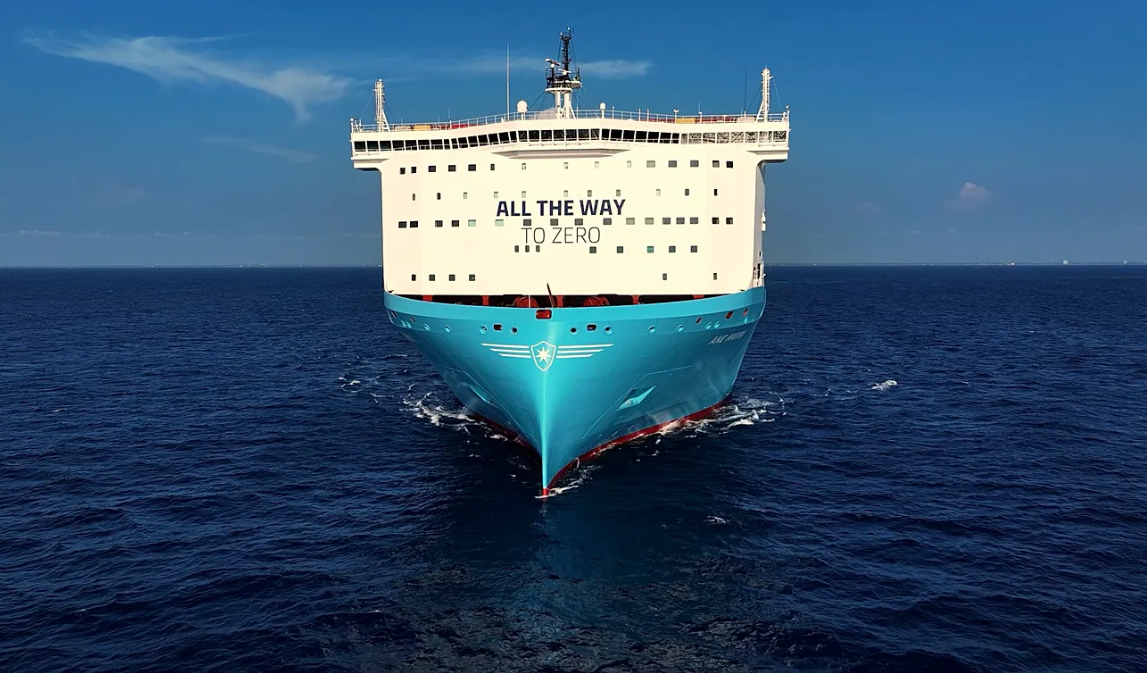
The maritime shipping sector is moving towards accelerating the transition to low-emission fuels and alternative propulsion technologies, despite the failure to reach a binding international agreement to reduce the sector's emissions, amid ongoing disagreements regarding the regulatory framework led by the International Maritime Organization.
According to a report published by Euronews on November 22, 2026, maritime shipping transports more than 80% of global trade volume and contributes about 2.3% of global carbon dioxide emissions, while about 90% of the global fleet relies on fuel oil.
The proposed solutions include the use of sails and wind-assisted propulsion systems, batteries, and e-methanol, in addition to improving ship efficiency and sailing at lower speeds. Reducing ship speed by 10% can reduce fuel consumption by up to 20%, while wind-assisted propulsion systems may reduce emissions by up to 30% under favorable operating conditions.
The report indicated that the International Maritime Organization intends to resume discussions on the net-zero emissions framework during the period from November 23 to December 4, 2026.