Introduction
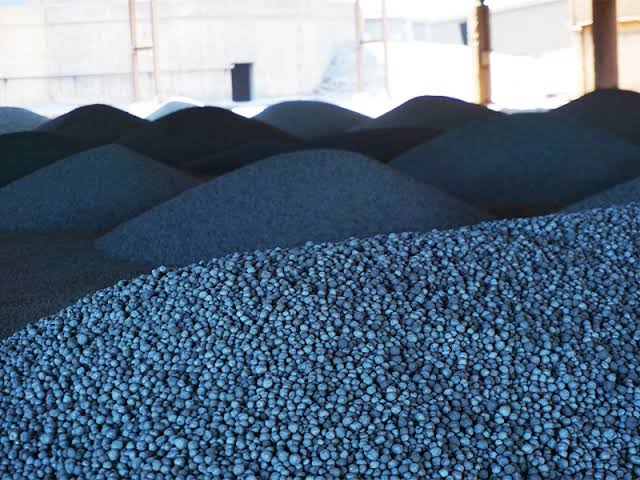
Direct Reduced Iron (DRI), commonly known as Sponge Iron, is produced through the direct reduction of iron ore without melting. It is called sponge iron because the removal of oxygen from iron oxides creates a porous internal structure resembling a sponge. High-quality DRI typically contains up to 98% metallic iron, making it an essential intermediate product in modern steelmaking.
DRI is primarily used as a premium metallic charge material in Electric Arc Furnaces (EAFs), where it is melted together with scrap or hot briquetted iron (HBI) to produce high-quality steel. Alloying elements such as titanium, vanadium, manganese, and others are subsequently added to achieve the desired mechanical and metallurgical properties. As the global steel industry moves toward low-carbon production, direct reduction technology has become increasingly important due to its lower greenhouse gas emissions compared with the traditional blast furnace route, particularly when natural gas or hydrogen is used as the reducing agent.
Program Contents
- The importance of direct reduction technology in the integrated steelmaking process.
- Iron ore preparation and pelletizing technologies.
- Fundamentals of the chemical reactions involved in direct reduction.
- Direct Reduction Iron (DRI) process flow and operating stages.
- Major DRI technologies and process comparison (MIDREX, ENERGIRON/HYL, and other emerging technologies).
- Process control and optimization for efficient DRI production.
- Nitrogen oxide (NOx) emission control methods associated with the direct reduction process.
- Production of high-quality Direct Reduced Iron with high metallization and low residual impurities.
- Quality control and characterization of DRI products.
- Environmental, energy efficiency, and sustainability considerations in modern DRI plants.
Learning Outcomes
Upon completion of this program, participants will be able to:
- Understand the principles and importance of direct reduction technology in modern steelmaking.
- Explain the chemistry and thermodynamics of iron ore reduction.
- Identify the main DRI process technologies and their operational differences.
- Evaluate pellet quality and its influence on reduction efficiency.
- Apply process control techniques to improve metallization and product quality.
- Implement strategies to reduce emissions and improve environmental performance.
- Understand the role of DRI in producing high-quality, low-carbon steel.