Training Plan

Specialized training programs for the steel industry delivered by AISU experts.
(Steel is made by people)

The Union believes that human resources are the primary driving force behind the development of the Arab iron and steel industry. Accordingly, it places great emphasis on training and professional development to keep pace with technological advancements and adopt international best practices. The Union has conducted studies to identify training centers and assess their capabilities within Arab steel companies. It has also developed specialized training programs covering various areas of the industry. Over the years, these programs have benefited thousands of engineers, technicians, administrators, and professionals working in production, maintenance, management, and occupational health and safety.

Goals Section

The following objectives guide the Union’s training efforts toward building and sustaining a skilled Arab workforce in the iron and steel industry.

Enhance the technical and professional competencies of employees in Arab iron and steel companies in line with the latest technologies and international standards.

Develop executive leaders and management teams through specialized programs in management, strategic planning, leadership, and decision-making.

Transfer and localize advanced technologies in the fields of iron and steel production, maintenance, automation and control, digitalization, and industrial transformation.

Enhance the exchange of Arab expertise among member companies through joint training programs, technical visits, and specialized workshops.

Support the regional and international competitiveness of Arab iron and steel companies by developing technical, managerial, and commercial skills.

Prepare and equip professionals to address future challenges such as decarbonization, energy efficiency, the circular economy, digital transformation, and sustainability.

Promote a culture of quality and institutional excellence, and implement international best practices in production, maintenance, occupational safety, and health.

Develop capabilities in the economic, commercial, and legal fields related to the iron and steel industry, including international trade, trade remedies, financial modeling, and supply chain management.

Build an Arab network of specialized experts and trainers capable of transferring knowledge and sustaining continuous development within member companies.

Strengthen cooperation with Arab and international institutions, training centers, universities, and global companies to provide advanced training programs that meet the needs of the sector.

Yearly Training Plan

Get the complete AISU training plan for the year as a PDF — all programs, dates and topics in one document.

Main category:
36 programs
Sep 13 → Sep 17
management programs

Financial Modeling in the Iron and Steel Industry

The iron and steel industry is one of the most capital-intensive industrial sectors and is significantly affected by fluctuations in iron ore, scrap, coking coal, natural gas, electricity, freight rates, foreign exchange rates, and interest rates. In today's highly competitive business environment, financial modeling has become a strategic tool for supporting investment decisions, evaluating projects, forecasting financial performance, managing risks, and developing long-term financial strategies. This training program is designed to equip participants with the knowledge and practical skills required to develop professional financial models for iron and steel companies using internationally recognized financial modeling techniques and best practices. The program enables participants to improve financial planning, optimize operational performance, evaluate investment opportunities, and maximize shareholder value.
0 instructors
Details
Oct 11 → Oct 15
management programs

Legal Aspects and Legal Practices in the Iron and Steel Industry
The iron and steel industry operates within a complex legal and commercial environment governed by national legislation, international agreements, global trade regulations, commercial contracts, competition laws, environmental compliance requirements, and import/export regulations. With the growing challenges arising from anti-dumping and countervailing investigations, Carbon Border Adjustment Mechanism (CBAM) requirements, and fluctuations in global markets, effective legal management has become essential for protecting corporate interests and strengthening business competitiveness. This training program is designed to provide participants with the legal knowledge and practical skills required to understand the regulatory framework governing the iron and steel industry, manage commercial contracts, resolve disputes, mitigate legal risks, and ensure compliance with national and international legal requirements. The program supports sound decision-making and promotes the legal and commercial sustainability of steel companies.
0 instructors
Details
Oct 18 → Oct 21
management programs

Vessel charting Agreement in steel industry
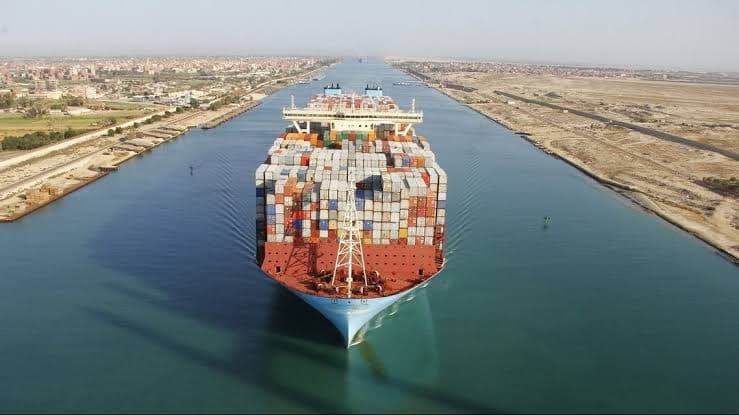
The iron and steel industry relies heavily on maritime transportation as the primary means of transporting raw materials such as iron ore, coal, limestone, and scrap, as well as shipping finished products to international markets. Maritime transportation costs represent a significant portion of the total production cost, making the effective management of charter party agreements and logistics services a key factor in enhancing the competitiveness of steel companies. This training program aims to provide participants with the legal, commercial, and practical knowledge required to manage charter party agreements, vessel chartering procedures, cargo loading and unloading operations, the calculation of Demurrage and Dispatch, and logistics risk management. These competencies contribute to reducing transportation costs and improving supply chain efficiency. The program covers the fundamental concepts and practices adopted by internationally recognized references and professional training programs in maritime shipping and charter party management.
0 instructors
Details
Nov 15 → Nov 26
Maintenance and Reliability

Air Compressors

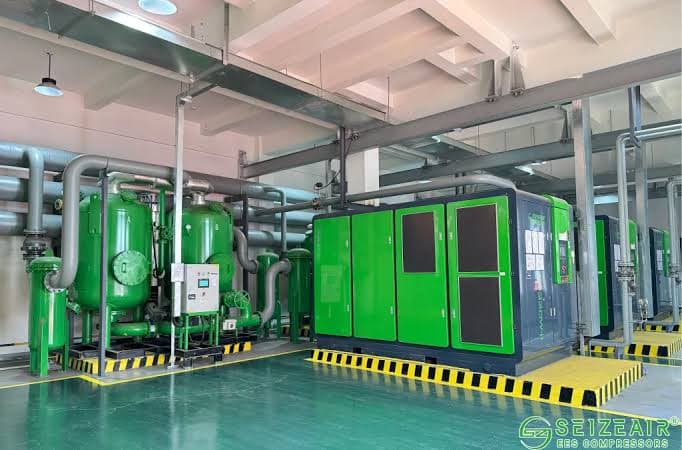
An air compressor is a machine that converts mechanical energy supplied by an electric motor, diesel engine, or gasoline engine into potential energy stored in compressed air. It operates by continuously drawing in and compressing a specific volume of air, delivering it into a pressure vessel where the air pressure gradually increases. The compressor continues operating until the pressure inside the receiver reaches the preset maximum level. The compressed air remains stored in the receiver until it is required for use in various industrial applications.
0 instructors
Details
Dec 20 → Dec 31
Maintenance and Reliability

Maintenance Management Systems (MMS) Training Program
Maintenance Management System is a centralized digital system that helps organizations automate and organize maintenance tasks, track assets, and manage work orders with high efficiency.
0 instructors
Details
Jan 17 → Jan 28
Quality and Operational Excellence

Quality Management System

Quality Management System (QMS) is an integrated organizational approach that documents the processes, procedures, and responsibilities aimed at ensuring the delivery of products and services that meet customer expectations and achieve organizational goals.
0 instructors
Details
Management and Supply Chain Management

Strategies for Reducing Production Costs and Improving Profitability
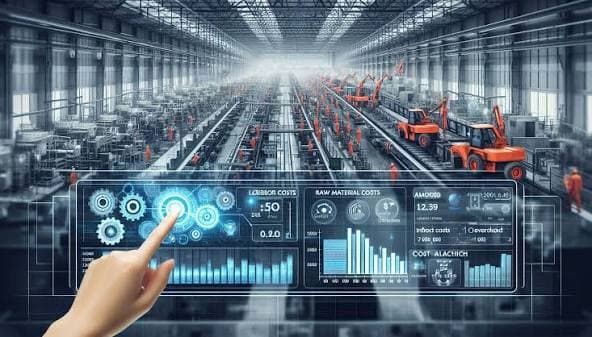
In today's highly competitive industrial environment, manufacturers are under increasing pressure to reduce production costs while maintaining product quality, operational efficiency, and sustainability. Rising raw material prices, energy costs, labor expenses, and global competition have made cost optimization a strategic priority for industrial organizations. This program equips participants with practical methodologies and advanced management tools to identify cost reduction opportunities across the entire value chain, improve resource utilization, eliminate waste, enhance productivity, and maximize profitability without compromising quality or customer satisfaction.
0 instructors
Details
Management and Supply Chain Management

Industrial Cost Management and Cost Elements Analysis

Industrial cost management is one of the most critical factors influencing the profitability and competitiveness of manufacturing organizations, particularly in capital-intensive and energy-intensive industries such as the iron and steel sector. Effective cost management extends beyond cost reduction; it aims to optimize resource utilization, improve operational efficiency, and support strategic decision-making based on accurate financial and operational data. This training program is designed to equip participants with the knowledge and practical skills required to understand and analyze industrial cost elements, measure production costs, identify cost drivers, analyze cost variances, and apply modern cost management techniques to improve operational performance and enhance profitability.
0 instructors
Details
Digital Transformation and Artificial Intelligence Programs

Digital Transformation and Artificial Intelligence in the Iron and Steel Industry

The iron and steel industry is undergoing a profound transformation driven by rapid advancements in digital technologies and artificial intelligence (AI). These technologies have become fundamental enablers of operational excellence, product quality enhancement, cost optimization, and sustainable industrial growth. The emergence of Industry 4.0 and Smart Manufacturing has revolutionized the management of production, maintenance, supply chains, and decision-making processes within iron and steel companies. This training program is designed to equip participants with the knowledge and practical skills required to understand and implement digital transformation and AI technologies across industrial operations. The program focuses on real-world applications that improve productivity, optimize operational performance, reduce equipment downtime, and strengthen the competitiveness of organizations operating in the iron and steel sector.
0 instructors
Details
Management and Supply Chain Management

Executive Leadership in the Iron and Steel Industry
Executive leadership is one of the most critical success factors for iron and steel companies in today's rapidly evolving business environment. The industry faces numerous challenges, including fluctuations in raw material and energy prices, rapid technological advancements, digital transformation, increasingly stringent environmental regulations, and intense global competition. Consequently, executive leadership has evolved beyond managing day-to-day operations to encompass strategic vision, organizational transformation, operational excellence, innovation, and the development of high-performing teams. This training program is designed to enhance the competencies of executive leaders, enabling them to lead industrial organizations effectively, make data-driven strategic decisions, achieve sustainable growth, and strengthen competitive advantage within the iron and steel industry.
0 instructors
Details
Production and Steel Technology

Destructive and Non-Destructive Testing of Various Types of Steel Pipes and Steel Strips
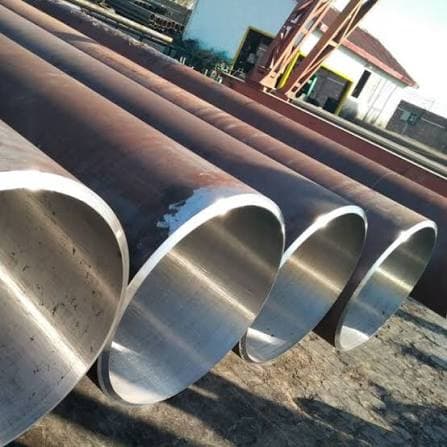
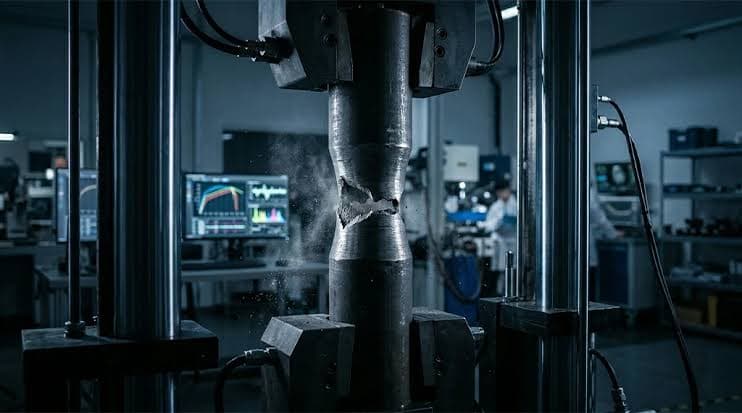
Destructive and Non-Destructive Testing (NDT) are essential quality assurance techniques used throughout the manufacturing and inspection of steel pipes and steel strips. Destructive testing is performed to determine the mechanical, physical, and chemical properties of materials by subjecting test specimens to controlled loading until failure. In contrast, Non-Destructive Testing (NDT) enables inspectors to detect surface and internal defects without damaging the material, ensuring product integrity, compliance with international standards, and operational safety. This training program provides participants with a comprehensive understanding of the principles, applications, advantages, and limitations of both destructive and non-destructive testing methods commonly used in the steel industry.
0 instructors
Details
Production and Steel Technology

Pipeline Networks and Control Valves

Pipeline systems are fundamental components of industrial infrastructure, serving as the primary means for transporting liquids and gases safely and efficiently. Pipe fittings and control valves play a critical role in connecting pipeline sections, regulating flow, ensuring operational safety, and maintaining system reliability. Selecting the appropriate piping components and installation methods is essential for achieving optimum performance, minimizing maintenance requirements, and extending the service life of pipeline systems in industrial, construction, and utility applications.
0 instructors
Details

Join AISU as an Expert

Do you have specialized expertise in the iron & steel industry? Register your details to join our experts database and deliver training programs to AISU members.

Submit Request as Expert