
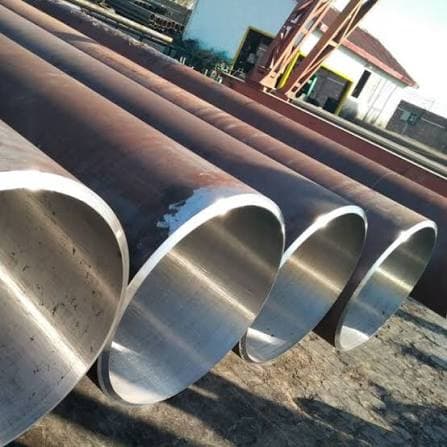
Introduction
Pipeline systems are fundamental components of industrial infrastructure, serving as the primary means for transporting liquids and gases safely and efficiently. Pipe fittings and control valves play a critical role in connecting pipeline sections, regulating flow, ensuring operational safety, and maintaining system reliability. Selecting the appropriate piping components and installation methods is essential for achieving optimum performance, minimizing maintenance requirements, and extending the service life of pipeline systems in industrial, construction, and utility applications.
Program Contents
- Scope of work for pipeline network construction.
- Technical specifications for pipeline networks.
- Right-of-way (ROW) requirements.
- Pipeline trench excavation methods.
- Pipeline installation and laying techniques.
- Cold bending of pipelines.
- Welding methods and procedures for pipeline networks.
- Types of valves used in pipeline systems and their installation methods.
- Compressed air testing of pipeline networks.
- Lowering, backfilling, and reinstatement of buried pipelines.
- Installation of warning tapes.
- Site cleaning and restoration.
- Pipeline testing for defect detection and corrective maintenance methods.
- Dewatering techniques.
- Civil works associated with pipeline installation.