Introduction
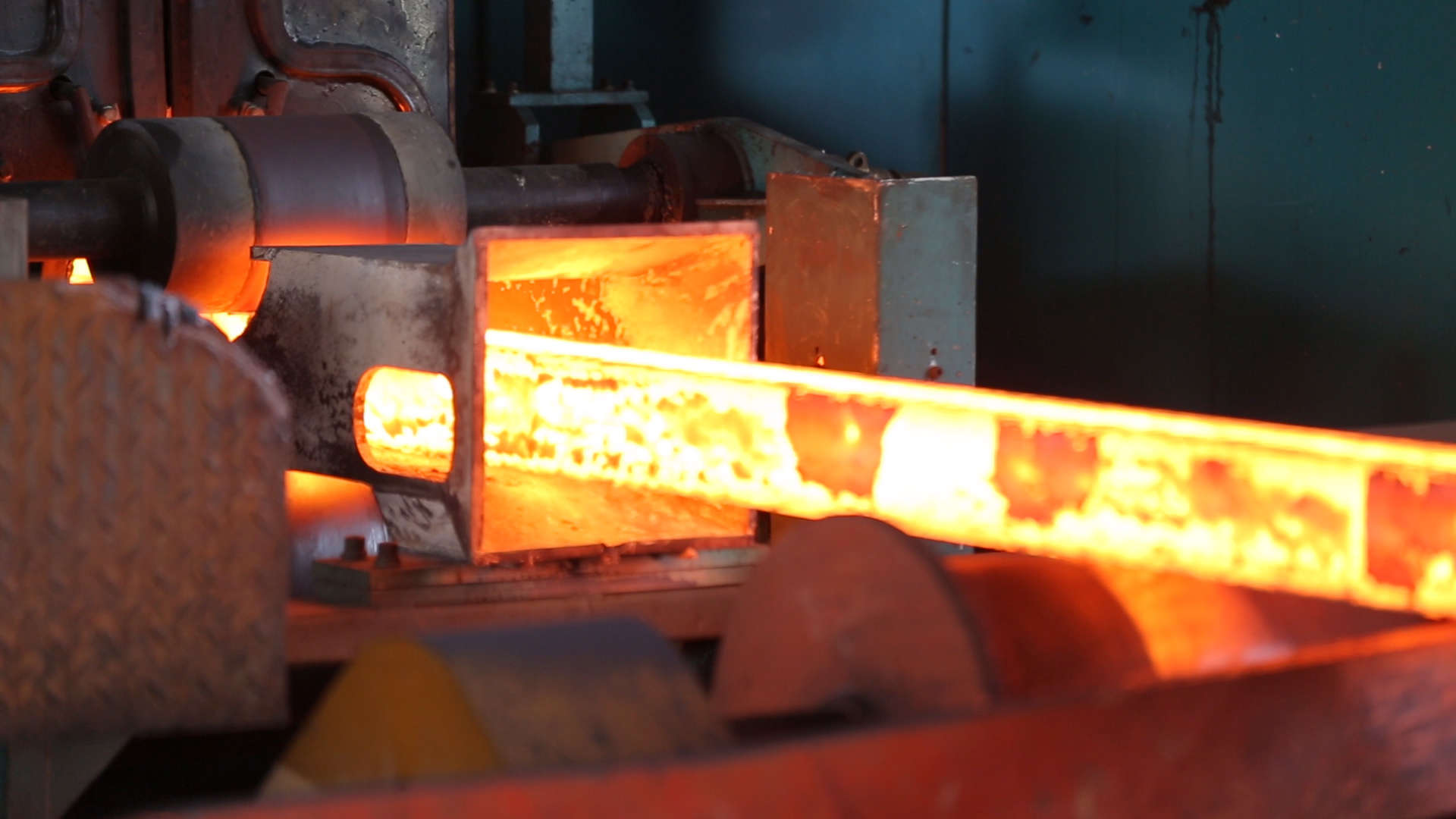
Rolling is one of the most important metal forming processes used in the iron and steel industry. It involves passing heated or cold metal between rotating cylindrical rolls to reduce its thickness, modify its cross-sectional shape, and improve its mechanical properties. Rolling technology plays a critical role in determining product quality, dimensional accuracy, production efficiency, and manufacturing costs.
An effective roll pass design is essential for achieving optimum metal flow, minimizing rolling defects, extending roll life, and maximizing mill productivity. This training program provides participants with the theoretical knowledge and practical skills required to understand rolling operations, design roll pass sequences, calculate rolling loads, and optimize rolling mill performance for various long steel products.
Program Contents
Module 1: Continuous Casting and Reheating
- Continuous casting products and quality requirements.
- Reheating furnace operation, common defects, and corrective measures.
- Temperature control for efficient rolling.
Module 2: Fundamentals of Rolling Technology
- Steel deformation in long product rolling.
- Friction mechanisms and biting conditions.
- Forward slip, backward slip, and neutral point.
- Rolling line and neutral axis concepts.
- Rolling mechanics and metal flow behavior.
Module 3: Roll Pass Design
- Design of rolling reductions and rolling schedules.
- Roll pass sequences for long products.
- Analysis of the contact zone between the workpiece and the roll pass.
- Round-to-oval pass system.
- Box pass system.
- Slitting rolling technology.
- Finishing passes for squares and flat bars.
- Calculation of area reduction using roll passes.
Module 4: Roll Selection and Rolling Mill Performance
- Selection of rolls according to rolling applications.
- Roll stress analysis and roll consumption optimization.
- Dimensional defects in rolled products and corrective actions.
- Calculation of rolling loads, torque, and power requirements.
- Cooling beds, straightening, shearing, and product handling systems.
- Evaluation and calculation of rolling mill efficiency.
Learning Outcomes
Upon completion of this program, participants will be able to:
- Understand the complete rolling process from continuous casting to finished products.
- Apply the principles of metal deformation during hot rolling.
- Design efficient roll pass schedules for long steel products.
- Calculate rolling reductions, rolling loads, torque, and power requirements.
- Select appropriate rolls based on product type and operating conditions.
- Identify and eliminate dimensional and surface defects in rolled products.
- Optimize rolling mill productivity, product quality, and roll life through effective process control.