

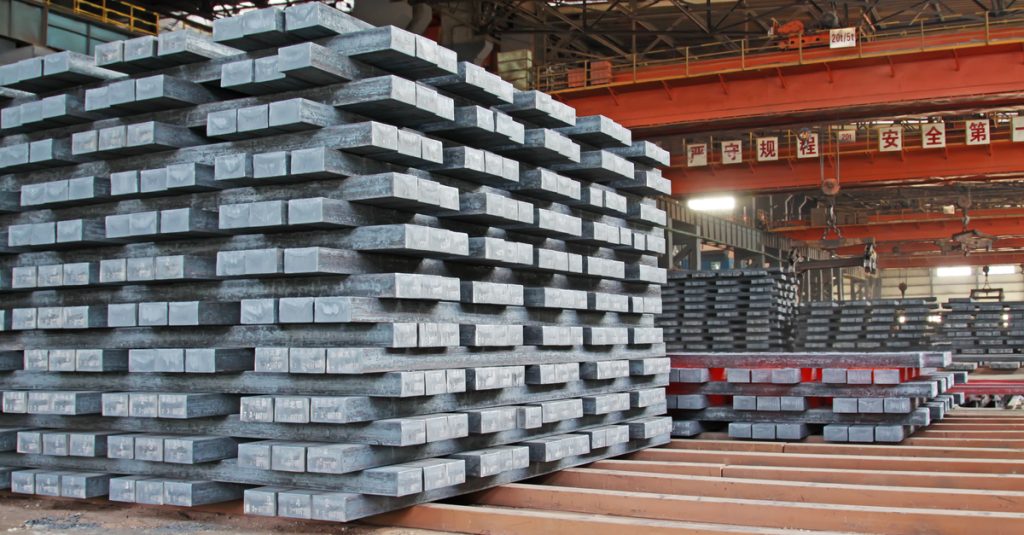
The Egyptian government intends to issue new licenses for the production of billets, a key raw material in the iron industry, as part of a plan to reduce reliance on imports and meet growing domestic demand.
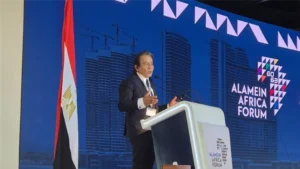
Deputy Prime Minister for Industrial Development and Minister of Industry and Transport Kamel El-Wazir said, “The Egyptian government is about to issue a number of licenses for the production of billets with special technical specifications that meet the industry’s needs for weldable, earthquake-resistant iron, suitable for marine environments and salt water, as well as advanced technical and engineering uses,” according to a statement issued Friday.
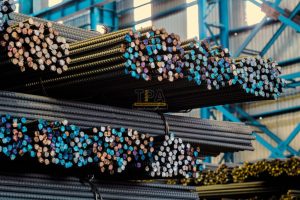
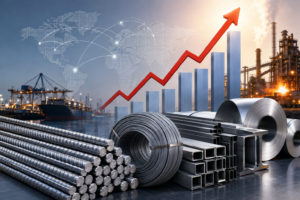
Billets are a semi-finished mineral product used as a base in the iron industry, particularly in the manufacture of rebar, which is widely used in construction projects. Billets are produced by smelting raw iron or scrap, then poured into molds and formed into metal bars. Their importance lies in their role as the raw material that feeds rolling mills into finished products, meaning any change in their availability or price directly impacts iron prices in the local market.
During a meeting with the country’s iron manufacturers and producers, the minister explained that the government is currently developing a phased plan to secure local market needs by redistributing surplus locally produced billet to rolling mills, based on each mill’s production capacity, until the new mills are operational. This goal is to ensure market stability and achieve self-sufficiency.
The government seeks to transform Egypt into a regional hub for the iron industry and trade, leveraging its geographic location, availability of raw materials, infrastructure, and trade agreements, as well as its large local market and skilled workforce, according to the minister.