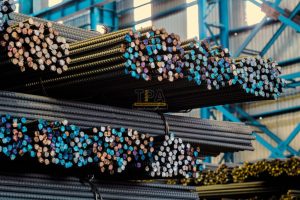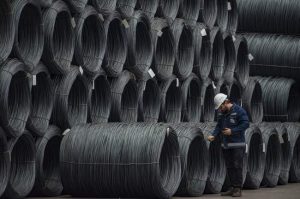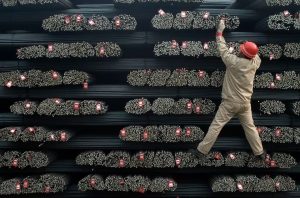




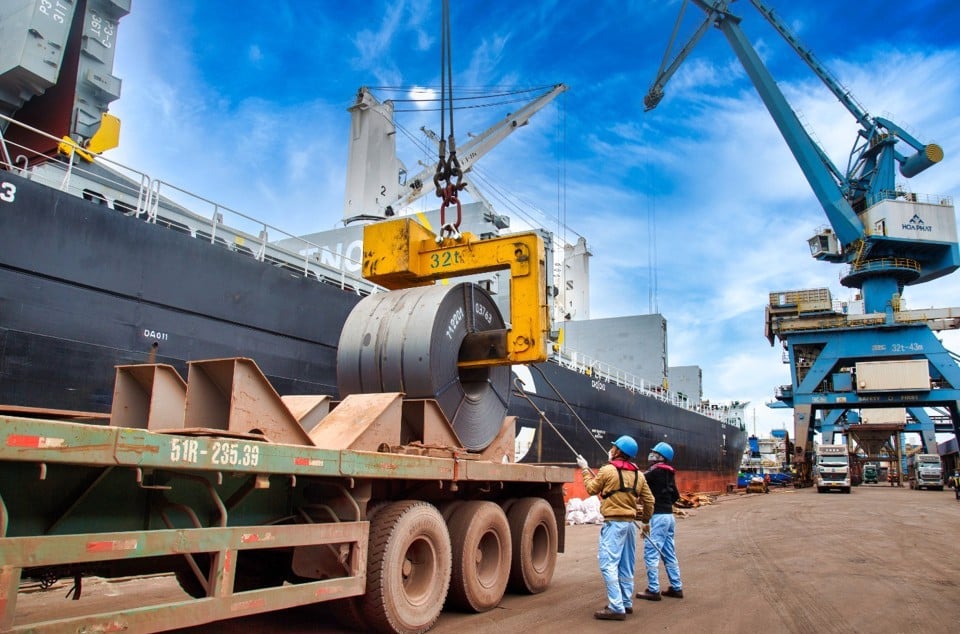
Vietnam has imposed final anti-dumping duties of up to 27.83% on certain imported rolled steel from China, following the expiration of the provisional duties imposed earlier this year.
The Ministry of Industry and Trade announced that the new duties took effect on July 6 and will remain in effect for five years.
This measure follows an anti-dumping investigation the government launched in July 2024 in response to complaints from domestic producers who were incurring increasing losses due to the influx of low-priced Chinese imports that were harming competition in the domestic market.
In March 2025, the ministry imposed provisional duties on these products for 120 days, but deemed it necessary to take a permanent step to protect domestic industry.
According to the official statement, the final tariffs target several Chinese companies, including Baoshan Iron & Steel and Maanshan Iron & Steel, which will be subject to the maximum tariff rate of 27.83%.
Guangxi Liuzhou Iron & Steel Group will face a 23.1% tariff, higher than the 19.38% imposed in March.
The ministry confirmed in its statement that the domestic industry has suffered significant damage, noting that there is a direct link between this damage and dumped imports from China. It added that these measures aim to restore market balance and ensure a fair trading environment for Vietnamese producers.
Government data revealed that Vietnam imported approximately 8.8 million tons of hot-rolled steel from January to September 2024, of which nearly 72% came from China alone, demonstrating the significant impact of Chinese imports on the Vietnamese market.
This move comes at a time of heightened competition in the global steel sector, with countries increasingly imposing protective tariffs on imports amid global economic challenges and slowing growth in some industrial sectors.
For Vietnam, the steel sector is a key pillar of infrastructure and industrial growth, making it imperative to take measures to protect it from unfair competition.
The impact of the decision is expected to last for the next five years, allowing Vietnamese companies to catch their breath and enhance their production capacity in the face of dumping.
At the same time, the government will continue to monitor the market to ensure the effectiveness of current measures and to consider taking additional steps if necessary.